
May 30, 2026•16 min read
CLO3D vs Marvelous Designer: A complete comparison for 3D fashion design
CLO3D and Marvelous Designer share a cloth-simulation engine but solve different jobs: apparel production versus CG and games. Here is how they compare on features, pricing, and reviews, plus where a photography tool like WearView turns a finished 3D design into on-model imagery.
Picture of CLO3D vs Marvelous Designer comparison article
CLO3D and Marvelous Designer are the two best-known names in 3D garment simulation, and they are made by the same company, CLO Virtual Fashion. They share a cloth-physics engine that drapes fabric realistically from 2D sewing patterns, so the renders can look strikingly similar. The difference is who each one is built for. In 2026, if you are weighing clo3d vs marvelous designer, the right pick depends less on simulation quality (both are excellent) and more on whether your output is a manufacturable garment or a digital asset for a screen.
CLO3D is built for the fashion and apparel industry: pattern-making, grading, tech packs, and production-ready files for a factory. Marvelous Designer is built for computer graphics, film, games, and animation: realistic cloth on characters, with sculpting and retopology tools that game and VFX artists need.
This guide compares CLO3D and Marvelous Designer feature by feature, walks through the workflows that separate them, and lays out current pricing and the (thin) public review picture for both. It also covers where a fashion-photography tool like WearView fits once a 3D design is locked and you need on-model ecommerce images rather than another 3D simulation.
What's the difference between CLO3D and Marvelous Designer?
CLO3D is a production tool for apparel companies; Marvelous Designer is a content tool for CG artists. Both run the same simulation core, but the surrounding feature set, file outputs, and pricing all bend toward those two different audiences.
Industry focus
CLO3D targets the apparel pipeline end to end. It is built around the way a fashion brand actually works: draft a 2D pattern, sew it in 3D, fit it, grade it across a size run, and export a production package a manufacturer can cut from. Its file support and collaboration tools (including the CLO-SET platform) are tuned for design rooms, technical designers, and merchandisers.
Marvelous Designer keeps its surface area on the garment-as-asset job. Its highest-volume users are character artists in games, film, and animation who need believable clothing on a 3D character fast, then take that mesh into a DCC tool like Blender, Maya, ZBrush, or Unreal Engine. The clothing does not need to be manufacturable, it needs to render and animate well.
Output and downstream workflow
The clearest split is what each tool hands off. CLO3D exports industry pattern formats (DXF-AAMA and DXF-ASTM), graded size sets, and tech-pack documentation, so the output goes to a factory. Marvelous Designer exports clean, animation-ready meshes with UVs, plus has sculpting and remeshing tools (Sculpt mode and a remesh/retopology workflow) that CLO3D does not offer, so the output goes to a render engine. That single difference, factory versus render engine, drives most of the feature and pricing gaps below.
CLO3D vs Marvelous Designer: feature-by-feature comparison
| Category | CLO3D | Marvelous Designer |
|---|---|---|
| Best for | Fashion brands, apparel designers, technical designers | CG, film, game, and animation artists |
| Primary use case | Digital sampling and production-ready apparel | Realistic 3D cloth on characters and assets |
| Cloth simulation engine | Yes (shared core) | Yes (shared core) |
| 2D pattern-making and sewing | Yes | Yes |
| Pattern grading (size runs) | Yes | Not a focus (apparel grading lives in CLO) |
| Tech pack generation | Yes | No |
| Production pattern export (DXF-AAMA / DXF-ASTM) | Yes | Limited (CG-oriented export) |
| Sculpt / mesh sculpting tools | No | Yes |
| Remeshing / retopology | No | Yes |
| Game-engine / DCC integration | Available, secondary focus | Yes (Unreal Engine, Blender, Maya, ZBrush workflows) |
| On-model ecommerce photography | No | No |
| AI model creation | No | No |
| Free trial | Yes (14 days, per clo3d.com) | Yes (14 days, per marvelousdesigner.com) |
| Individual starting price | $50/mo or $450/yr | Personal $39/mo or $280/yr |
| Enterprise / business pricing | Custom (contact sales) | $199/mo or $2,000/yr (Win/Mac) |
| Perpetual license (new buyers) | Subscription-based | Discontinued (Dec 2, 2025) |
| Academic / education tier | Yes (custom academic solution) | Yes (academic pricing) |
| Reverse: Marvelous Designer vs CLO3D core strength | Production apparel | CG cloth realism |
Pricing and feature details verified May 2026. CLO Business and Academic pricing is quote-based and not published as fixed numbers.
How CLO3D and Marvelous Designer compare for 3D fashion work
The feature table shows the surface-area difference. The more useful question is which tool fits the work you actually do day to day, because the two diverge sharply once you move past the shared simulation.
CLO3D vs Marvelous Designer with CLO3D
1. Pattern-making, grading, and tech packs
This is where CLO3D pulls clearly ahead for apparel teams. CLO3D handles the full pattern-making chain: draft or import 2D patterns, sew them into a 3D garment, then grade the pattern across a size run and generate a tech pack that documents construction, measurements, and bill of materials for the factory. The export of industry pattern formats (DXF-AAMA and DXF-ASTM) is what lets a designer send a production-ready pattern straight to a manufacturer.
Marvelous Designer can draft and sew patterns too, since it shares the engine, but it is not built to grade across a size run or produce a tech pack. For a CG artist that does not matter, because the garment is never manufactured. For a fashion brand that wants a digital sample to become a real product, the lack of grading and tech-pack tooling is the deciding factor.
If your output is a garment a factory will cut, CLO3D is the more complete tool. If your output is a mesh that goes into a render, the grading and tech-pack features are weight you will not use.
2. CG, sculpting, and game-engine pipelines
Marvelous Designer is the stronger fit for screens. It includes Sculpt mode for shaping wrinkles and folds by hand, and a remeshing and retopology workflow that produces clean, animation-ready geometry. Those tools, combined with established pathways into Blender, Maya, ZBrush, and Unreal Engine, are why it is a staple in game and VFX studios.
CLO3D can export to DCC tools as well, but sculpting and retopology are not part of its core toolkit, because an apparel pattern does not need them. A technical designer wants the mesh to match the pattern exactly; a character artist wants to art-direct the drape.
For real-time and rendered characters, Marvelous Designer is the natural choice. For apparel that must stay true to a sewable pattern, CLO3D is.
3. From a finished 3D design to on-model photos
Both CLO3D and Marvelous Designer stop at the 3D garment. Neither one is a photography tool, and neither produces the on-model ecommerce imagery a brand needs for a product page, a lookbook, or a paid social campaign. This is the gap a tool like WearView fills, and it sits downstream of both, not in competition with the 3D simulation itself.
Once a design is locked, WearView's product-to-model workflow takes a flat or product-only garment image and generates on-model photography in under 15 seconds, with virtual try-on, AI model creation from text, consistent model identity across a collection, pose control, ghost mannequin, and AI fashion video in the same workspace. Output runs up to 4K with commercial usage rights on every paid plan.
To be clear about the boundary: WearView does not do 3D pattern-making, grading, or garment simulation. It does not replace CLO3D or Marvelous Designer for design. It picks up after the design exists, turning it into the marketing and ecommerce imagery that the 3D tools were never built to produce.
CLO3D vs Marvelous Designer with WearView
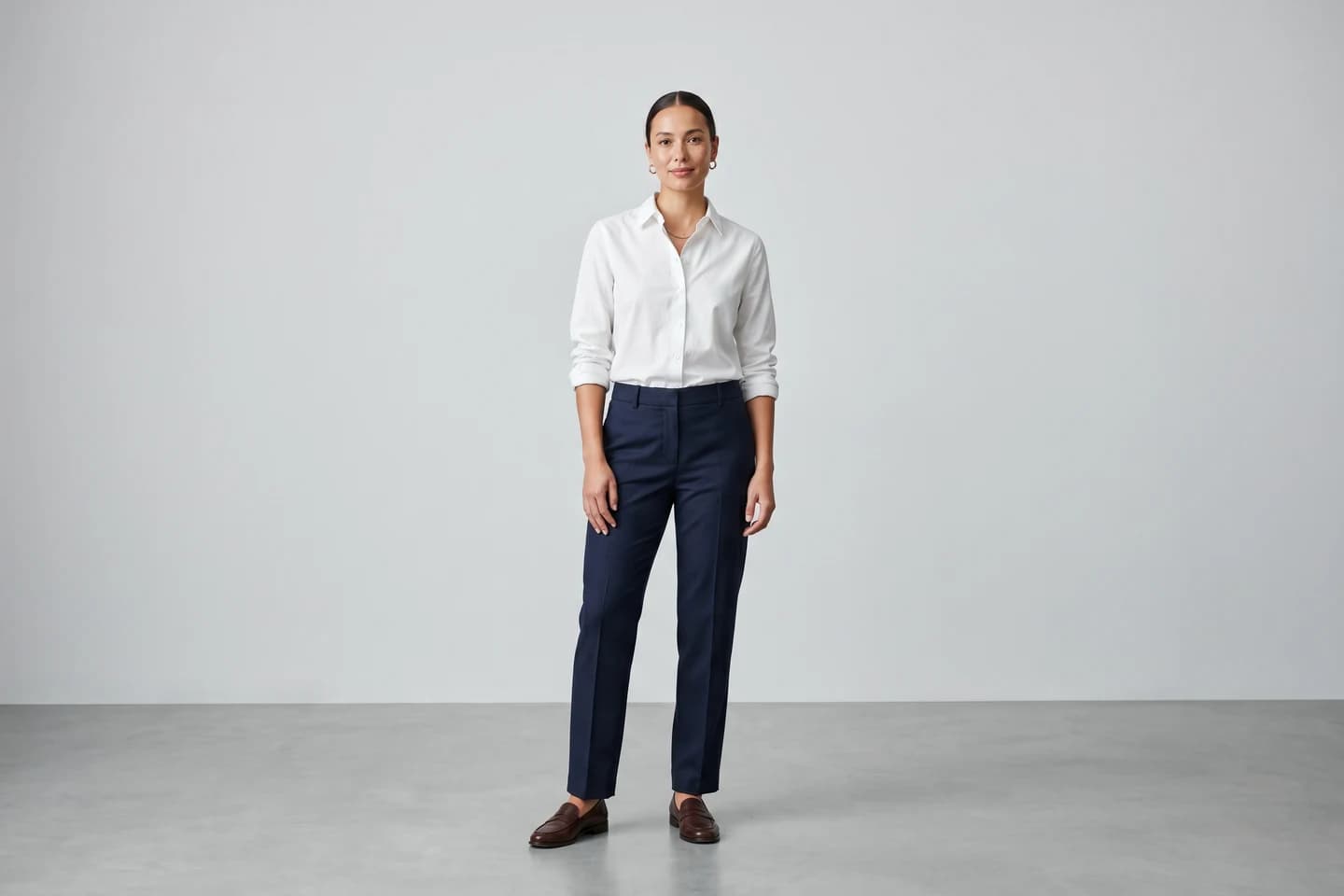

Turn flat-lays into on-model photos
Drop in a flat-lay or product shot and get professional on-model photography ready for your store.
Ratings and reviews for CLO3D and Marvelous Designer
Formal review coverage is thin for both design tools, which is worth stating plainly rather than dressing up a tiny sample as a verdict. CLO3D and Marvelous Designer are professional design software with little presence on consumer review platforms, so their reputations rest on editorial reviews and CG and apparel community sentiment rather than star ratings. The table below sticks to Trustpilot, where only WearView has a meaningful sample.
| Platform | CLO3D | Marvelous Designer | WearView |
|---|---|---|---|
| Trustpilot | Not enough reviews | Not enough reviews | 4.5/5 (86 reviews) |
Trustpilot figure as of May 2026. CLO3D and Marvelous Designer do not carry a meaningful Trustpilot review base, so for both, judge quality from editorial reviews and community discussion rather than a star number.
What users praise
For CLO3D, the recurring positives across user and community feedback are time saved on sampling, the ability to fit and iterate digitally before cutting fabric, and pricing transparency for individuals compared with enterprise-only 3D apparel tools. CLO publishes a fixed individual plan ($50/month or $450/year) where some competing 3D clothing software focuses only on enterprise licensing.
For Marvelous Designer, the praise centers on cloth realism and the pattern-based workflow that turns flat designs into believable garments. Creative Bloq's editorial review reaches a similar conclusion, noting new features that improve workflows and output quality for clothing designers.
For WearView, the Trustpilot feedback (4.5/5 across 86 reviews as of May 2026) is largely positive, with reviewers repeatedly citing an intuitive, user-friendly interface and the speed of generating realistic, high-quality images.
What users complain about
For CLO3D, the most common criticism is the learning curve. Reviewers note that even with tutorials and training sessions, the small details take time to master, and that email support can be limited.
For Marvelous Designer, the recurring gripes are also the learning curve and the cost of the subscription. Creative Bloq's review also flags a steep learning curve among its downsides, and CG forum users frequently note that the pattern logic trips up beginners and that the Enterprise subscription at $199/month adds up. The December 2025 move away from perpetual licenses also removed the buy-once option some long-time users preferred.
For WearView, the most common minor critique among otherwise positive reviews is the occasional generation that needs a retry on the rare failed output. WearView replies publicly to reviews on Trustpilot, including its negative ones.
Pricing breakdown
Both products are subscription-first as of May 2026, with the Marvelous Designer perpetual license discontinued for new buyers in December 2025.
| Tier | CLO3D | Marvelous Designer |
|---|---|---|
| Free trial | Yes (14 days) | Yes (14 days) |
| Individual / Personal monthly | $50/mo | $39/mo |
| Individual / Personal annual | $450/yr | $280/yr |
| Indie | Not a published tier | Contact sales (studios under $500k revenue, 2+ staff) |
| Enterprise / Business | Custom (contact sales) | $199/mo or $2,000/yr (Win/Mac); $2,300/yr with Linux |
| Academic / Education | Yes (custom academic solution) | Yes (academic pricing) |
| Perpetual license (new buyers) | Subscription-based | Discontinued (Dec 2, 2025) |
Pricing as of May 2026. Source: CLO3D and Marvelous Designer pricing pages and CLO support documentation.
On the individual tier, Marvelous Designer is the cheaper option both ways: its $39/month beats CLO3D's $50/month, and its $280/year Personal plan undercuts CLO3D's $450/year Individual plan. At the top end the gap is about predictability rather than price: CLO Business pricing is quote-based, while Marvelous Designer publishes a hard Enterprise number ($199/month or $2,000/year), which makes budgeting more straightforward for a studio.
Neither price competes with photography tooling on a like-for-like basis, because they are not photography tools. For reference on the downstream job, WearView's plans run from Lite at $24/month (50 credits) to Pro at $40/month (200 credits) and Advanced at $82/month (500 credits), with HD images at 2 credits, 2K at 3, and 4K at 5, and annual billing adding two free months. That is a separate budget line from the 3D design subscription, not a substitute for it.
When to choose CLO3D, Marvelous Designer, or a photography tool
| Factor | Choose CLO3D | Choose Marvelous Designer | Add WearView |
|---|---|---|---|
| Primary workflow | Pattern-making, grading, tech packs, production | CG cloth on characters and assets | On-model photos from a finished design |
| Audience | Fashion brands, apparel and technical designers | Game, film, and animation artists | Ecommerce, brands, agencies, creators |
| Output | Manufacturable garment + production files | Animation-ready mesh for render engines | On-model ecommerce images and video |
| Downstream handoff | To a factory (DXF, tech pack) | To Unreal, Blender, Maya, ZBrush | To product pages, lookbooks, ads |
| Pricing predictability | Individual published; Business quote-based | Personal and Enterprise both published | Published credit-pack plans |
| What it is not | Not a CG sculpting tool | Not a production apparel tool | Not a 3D design or simulation tool |
If you are a fashion brand or apparel designer
CLO3D is the better fit. The whole point of digital sampling for an apparel team is to compress the fit-and-iterate loop and hand a factory something it can cut, and CLO3D's grading, tech-pack, and DXF export are what make that possible. Marvelous Designer shares the simulation but stops short of production tooling, so an apparel team would constantly bump into the missing grading and tech-pack steps.
If you are a CG, game, or film artist
Marvelous Designer is purpose-built for your pipeline. Sculpt mode, remeshing, and the clean handoff into Unreal Engine, Blender, Maya, and ZBrush are exactly what character and asset work needs, and the published Enterprise price makes studio budgeting straightforward. CLO3D's production features would mostly go unused.
If your bottleneck is marketing imagery, not 3D design
Neither 3D tool produces the on-model photos a store or campaign needs. Once the garment design exists, a fashion-photography tool like WearView turns it into product-to-model shots, AI fashion models, consistent models across a collection, and AI video, with 4K commercial rights on every paid plan. It sits alongside CLO3D or Marvelous Designer in the workflow, not in place of them. For a head-to-head of two AI fashion photography tools, see our WearView vs Fashn comparison.
Key takeaways
- Same engine, different jobs. CLO3D and Marvelous Designer share a cloth-simulation core, but CLO3D is for apparel production and Marvelous Designer is for CG, film, and games. Pick based on whether your output is a manufacturable garment or a render-ready mesh.
- CLO3D owns the production chain. Grading, tech packs, and DXF-AAMA/ASTM export are the features that make CLO3D the apparel tool. Marvelous Designer does not include them.
- Marvelous Designer owns the CG pipeline. Sculpt mode, remeshing, and game-engine integration are why it is a studio staple, and its Enterprise price is published rather than quote-based.
- Review coverage is thin for both design tools. Neither carries a meaningful Trustpilot base, so lean on editorial reviews and CG and apparel community sentiment rather than a star number.
- Photography is a separate job. Neither tool makes on-model ecommerce images. A downstream tool like WearView, with consistent models across a collection, turns a finished design into product-page and campaign imagery without touching the 3D workflow.

Replace your next photoshoot with AI
Professional on-model fashion photography in seconds, at a fraction of the cost of a studio shoot.
FAQ
What's the main difference between CLO3D and Marvelous Designer?
CLO3D is built for the fashion and apparel industry, with pattern grading, tech packs, and production-ready file export, while Marvelous Designer is built for CG, film, game, and animation artists, with sculpting and retopology tools for render-ready cloth. They share the same cloth-simulation engine, so quality is comparable; the difference is whether the output goes to a factory or a render engine. A photography tool like WearView is a separate, downstream option for turning a finished design into on-model images.
Which is better for fashion brands, CLO3D or Marvelous Designer?
For fashion brands, CLO3D is the better fit. It handles the full apparel chain from 2D pattern-making to grading across a size run and tech-pack documentation, and it exports industry pattern formats (DXF-AAMA and DXF-ASTM) that a manufacturer can produce from. Marvelous Designer can simulate the same garment but does not grade size runs or generate tech packs, so apparel teams hit its limits quickly.
Is Marvelous Designer cheaper than CLO3D?
On the individual tier, Marvelous Designer is cheaper both ways: Personal is $39/month versus CLO3D's $50/month, and $280/year versus CLO3D's $450/year Individual plan. At the enterprise level, Marvelous Designer publishes a $199/month (or $2,000/year) Enterprise price, while CLO3D Business pricing is quote-based. Both offer a free trial (14 days each), and both are subscription-based for new individual buyers rather than offering a perpetual buy-once license.
Can I use CLO3D or Marvelous Designer to make ecommerce product photos?
No. Both are 3D garment-simulation tools and stop at the 3D model; neither produces on-model ecommerce photography, AI fashion models, or campaign video. To turn a finished 3D design into product-page imagery, you would pair them with a photography tool. WearView generates on-model photos in seconds, but it does not do 3D pattern-making or simulation, so it complements the design tools rather than replacing them.
Marvelous Designer vs CLO3D: which has the better learning curve?
Both have a steep learning curve, and reviewers of each flag it as the main downside. CLO3D users note that the small pattern-making details take time even with tutorials, and Marvelous Designer's editorial and community reviews describe pattern logic that trips up beginners before clicking into place. Neither is a quick weekend tool; budget real ramp-up time regardless of which you choose.
Do CLO3D and Marvelous Designer come from the same company?
Yes. Both are developed by CLO Virtual Fashion and run a shared cloth-simulation engine, which is why their drape and fabric realism look so similar. The company maintains them as separate products precisely because the audiences differ: CLO3D for apparel production and Marvelous Designer for CG, film, and games.
Does Marvelous Designer still offer a perpetual license?
Not for new buyers. As of December 2, 2025, Marvelous Designer discontinued its Enterprise Standalone (perpetual) license and moved to subscription-only plans, with Personal at $39/month or $280/year and Enterprise at $199/month or $2,000/year. CLO3D is likewise subscription-based for individuals rather than offering a perpetual buy-once option.

WearView Team
WearView Content & Research Team
WearView Team is a group of fashion technology specialists focused on AI fashion models, virtual try-on, and AI product photography for e-commerce brands. We publish in-depth guides, case studies, and practical insights to help fashion businesses improve conversion rates and scale faster using AI.