June 8, 2026•14 min read
WearView vs Lalaland: A complete comparison for AI fashion photography
Lalaland built its name on AI fashion models for enterprise catalogs, while WearView packs try-on, product-to-model, ghost mannequin, and video into one self-serve platform. Here's how the two tools actually compare on features, pricing, and fit.
WearView vs Lalaland: A complete comparison for AI fashion photography
WearView and Lalaland (lalaland.ai) are both recognized names in AI fashion imagery, but they were built for different buyers and different stages of production. Lalaland made its name generating diverse, on-brand AI fashion models for catalog-scale apparel imagery, and it has historically focused on mid-market and enterprise brands. In July 2025 Lalaland.ai was acquired by Browzwear, and its technology now lives inside Browzwear's enterprise digital-apparel suite (the lalaland.ai domain redirects to Browzwear's "Custom AI Models for B2B & Ecommerce" page). WearView packages a broader set of fashion workflows (virtual try-on, product-to-model, AI model creation, ghost mannequin, and AI fashion video) into one self-serve platform aimed at brands, ecommerce sellers, agencies, and creators.
If you are weighing WearView vs Lalaland in 2026, the core question is breadth versus specialization. Lalaland concentrates on a polished AI-model and on-model imagery pipeline, now offered through Browzwear; WearView spreads across the full content stack from a single login. This post walks through the feature-by-feature comparison, use-case-grounded analysis, ratings and user sentiment, a pricing breakdown, and a clear decision framework so you can pick the right tool for your catalog.
What's the difference between WearView and Lalaland?
The main difference is scope: Lalaland is a focused AI fashion model and on-model imagery platform, while WearView is a multi-tool fashion content suite that covers try-on, flat-lay conversion, model creation, ghost mannequin, and video in one place.
Specialization vs feature breadth
Lalaland has historically built around one strong job to be done: putting apparel on diverse, realistic AI models so brands can scale catalog imagery and represent more body types, skin tones, and ages without booking dozens of shoots. That focus is a genuine strength for teams whose only need is on-model product photography at volume.
WearView is built as a wider toolkit. Beyond on-model generation, it bundles virtual try-on, product-to-model (flat-lay to on-model), AI model creation from text prompts, ghost mannequin product shots, and AI fashion video. For a small team that wants to handle several content types without buying multiple subscriptions, that breadth is the headline reason to consider WearView over a single-purpose tool.
Audience and go-to-market
Lalaland has positioned itself toward mid-market and enterprise apparel brands, with a sales-led motion and integration into a larger digital-apparel suite (now Browzwear, whose customers include names like Nike, Walmart, Target, and VF Corporation). That suits brands with big SKU counts and procurement processes, but it can be heavier than a solo seller or a small boutique needs.
WearView leans self-serve and SMB-friendly: credit-based plans you can start on your own, team seats for small groups, and pricing tiers that scale from a boutique up to an agency. If you want to sign up and generate today without a sales call, that difference matters.
WearView vs Lalaland: feature-by-feature comparison
The table below maps the two tools across the workflows fashion teams care about. Cells marked "Not listed" mean the capability is not described as a named feature on the tool's public site at the time of writing, not that it definitively does not exist.
| Category | WearView | Lalaland (now via Browzwear) |
|---|---|---|
| Best for | Brands, ecommerce sellers, agencies, creators | Mid-market and enterprise apparel brands |
| Primary use case | Full fashion content suite | Diverse AI models for on-model catalog imagery |
| AI model creation | Yes (text-to-model) | Yes (core feature) |
| Virtual try-on | Yes | Listed as a use case in the Browzwear suite |
| Product-to-model (flat-lay to model) | Yes | Not listed as a named workflow |
| Ghost mannequin | Yes | Not listed |
| Pose control | Yes (reference-based) | Not listed (model pose/emotion options exist) |
| Consistent model identity | Yes (across campaigns) | Diverse / custom model library focus |
| AI fashion video | Yes (720p and 1080p) | Not listed |
| Output resolution | HD, 2K, and 4K | Not publicly listed |
| Commercial usage rights | Included on paid plans | IP/copyright ownership stated; verify per contract |
| Free trial / free tier | No free tier (paid plans only) | Demo-led; verify via Browzwear |
| Starting price (monthly) | Lite from $29/mo (credit packs) | Not publicly listed for the AI-models product (quote/demo-based) |
| Team seats | Up to 5 (Pro), 15 (Advanced) | Not publicly listed (enterprise plans) |
| API access | Verify current state on /pricing | Not publicly listed |
A few honest notes from this table. Lalaland's strongest, most established capability is the breadth and realism of its diverse AI model library, an area it has invested in heavily. WearView's edge is the number of distinct workflows under one roof: if you need on-model imagery and clean product shots and short-form video, WearView covers all three, while a model-first tool typically does not.
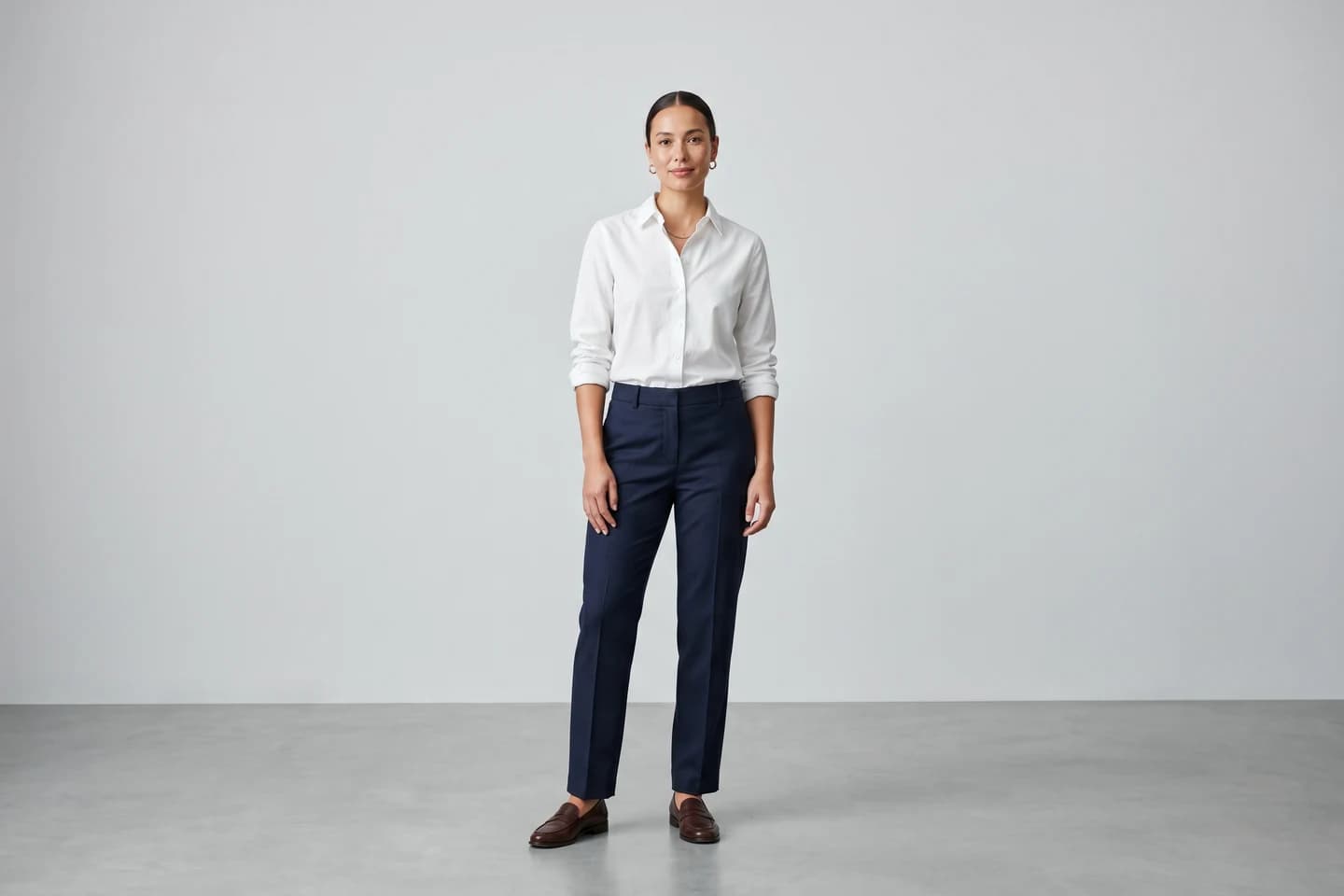
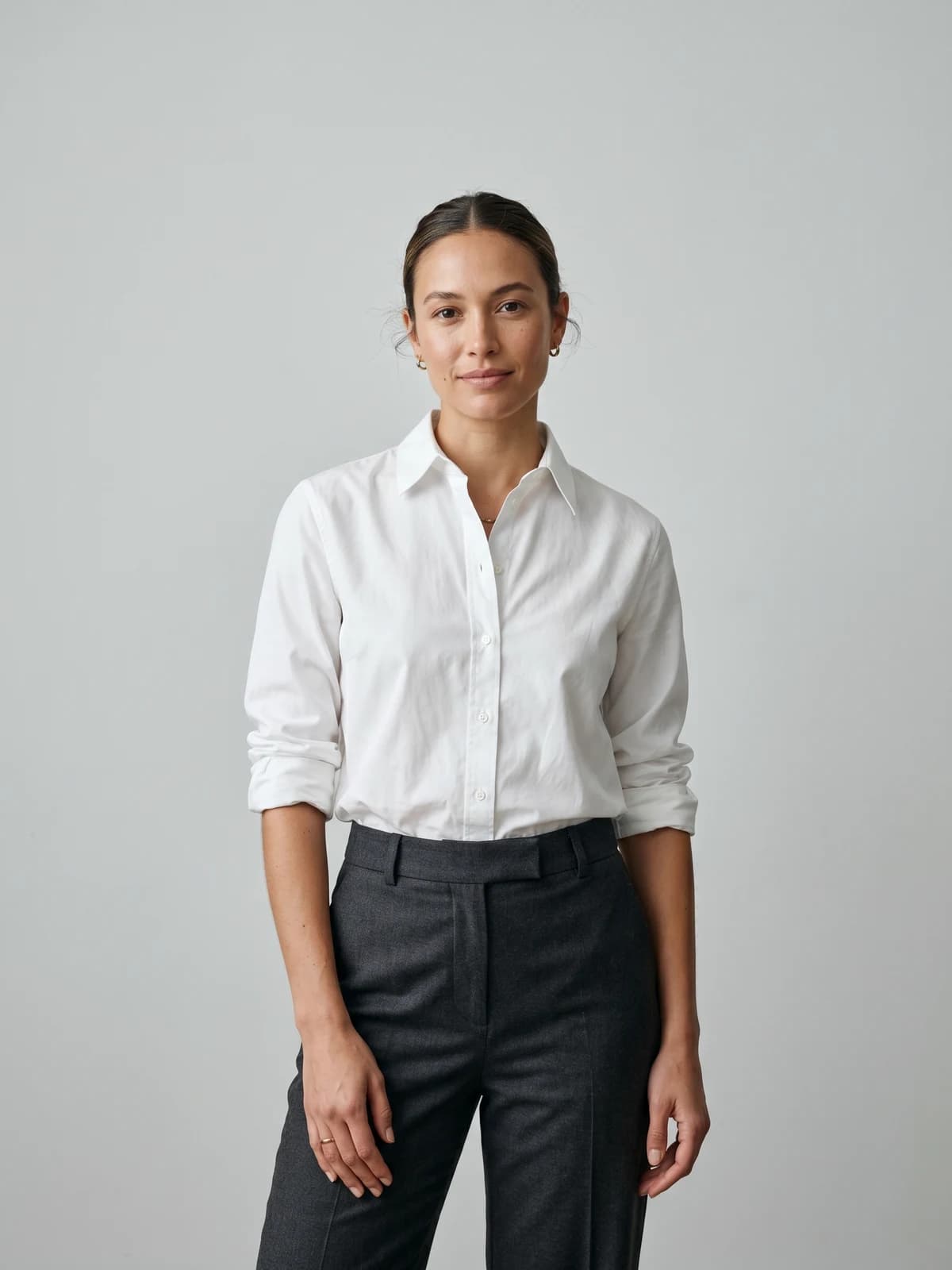
Turn flat-lays into on-model photos
Drop in a flat-lay or product shot and get professional on-model photography ready for your store.
How WearView and Lalaland compare for fashion brands and sellers
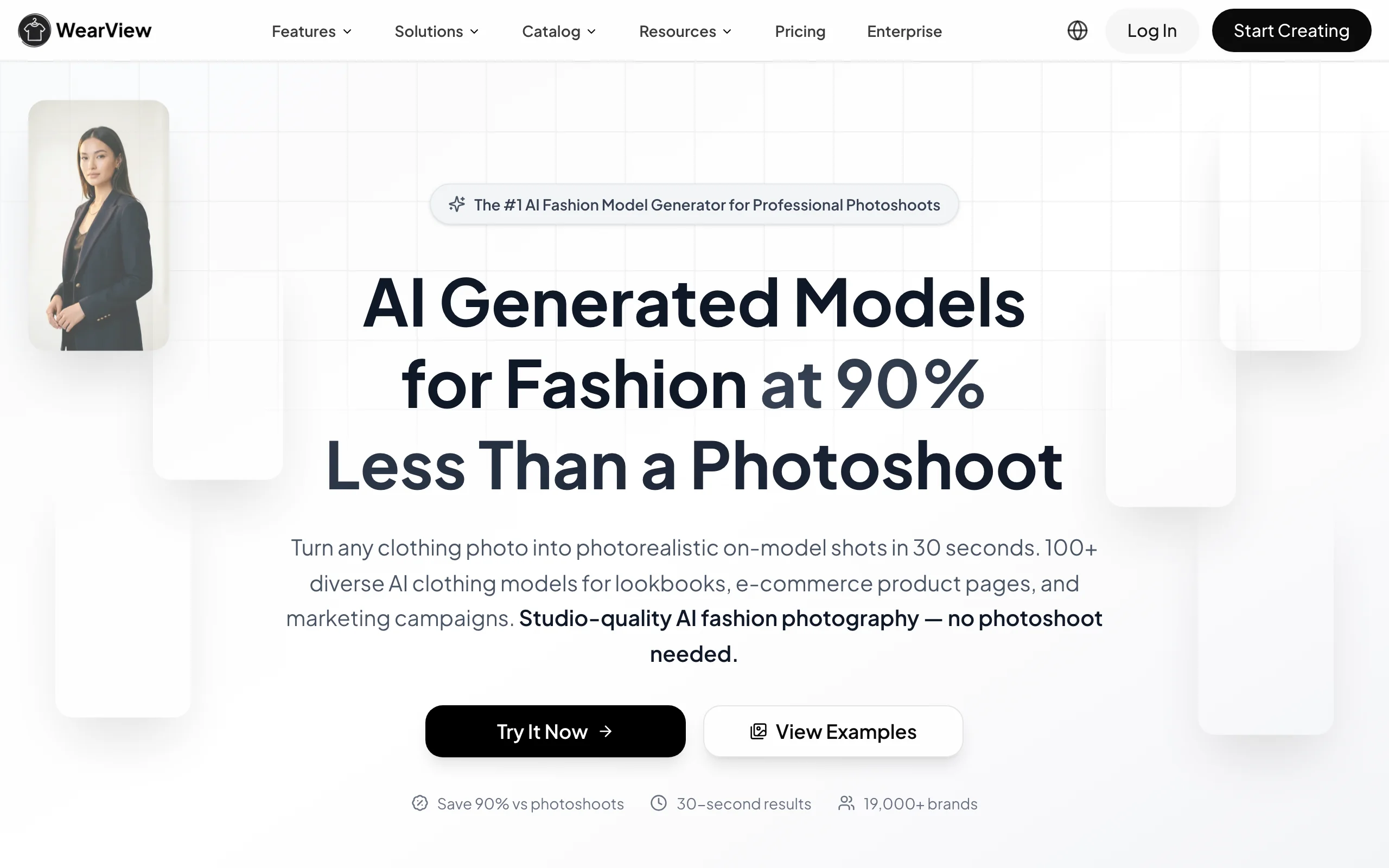
WearView vs Lalaland with WearView
Feature checklists only get you so far. The real test is how each tool performs on the workflows you run every week. Here is how Lalaland vs WearView stack up across three dimensions that decide most purchases.
1. Diversity and realism of AI models
Lalaland's reputation rests here. It built a deep library of diverse AI models so apparel brands can show garments on a range of body types, ages, and ethnicities without separate shoots, which is meaningful for inclusivity goals and for representing a broad customer base. If your single priority is a wide, polished roster of on-model looks, this is Lalaland's home turf.
WearView also generates AI models from text prompts and can hold a consistent AI model identity across a product line, which matters when you want the same face and body to appear throughout a collection. Holding that identity across dozens of SKUs comes down to a saved persona rather than seed reuse, the workflow we break down in our guide to keeping the same AI model across a catalog. WearView's emphasis is less about a pre-built diverse roster and more about giving you control to create and reuse the exact models you need. For teams that prize a curated, ready-made diversity library, Lalaland is a strong fit; for teams that want to spin up and reuse custom models on demand, WearView fits better.
2. Breadth of content you can produce
This is where the two tools diverge most. With WearView you can take one garment image and run it through virtual try-on, convert a flat-lay into an on-model shot, generate a clean ghost mannequin packshot, and turn a still into a short fashion video, all from the same credits and the same dashboard. That removes the need to stitch together several subscriptions.
Lalaland concentrates on the on-model imagery pipeline. For a brand whose only need is catalog model shots at scale, that focus can be an advantage (less surface area, a tuned workflow). For a brand or seller juggling product pages, social clips, and clean cut-outs, the single-purpose approach means reaching for other tools. If you want to compare the wider field too, our roundup of the best AI fashion photography tools covers how the category fits together.
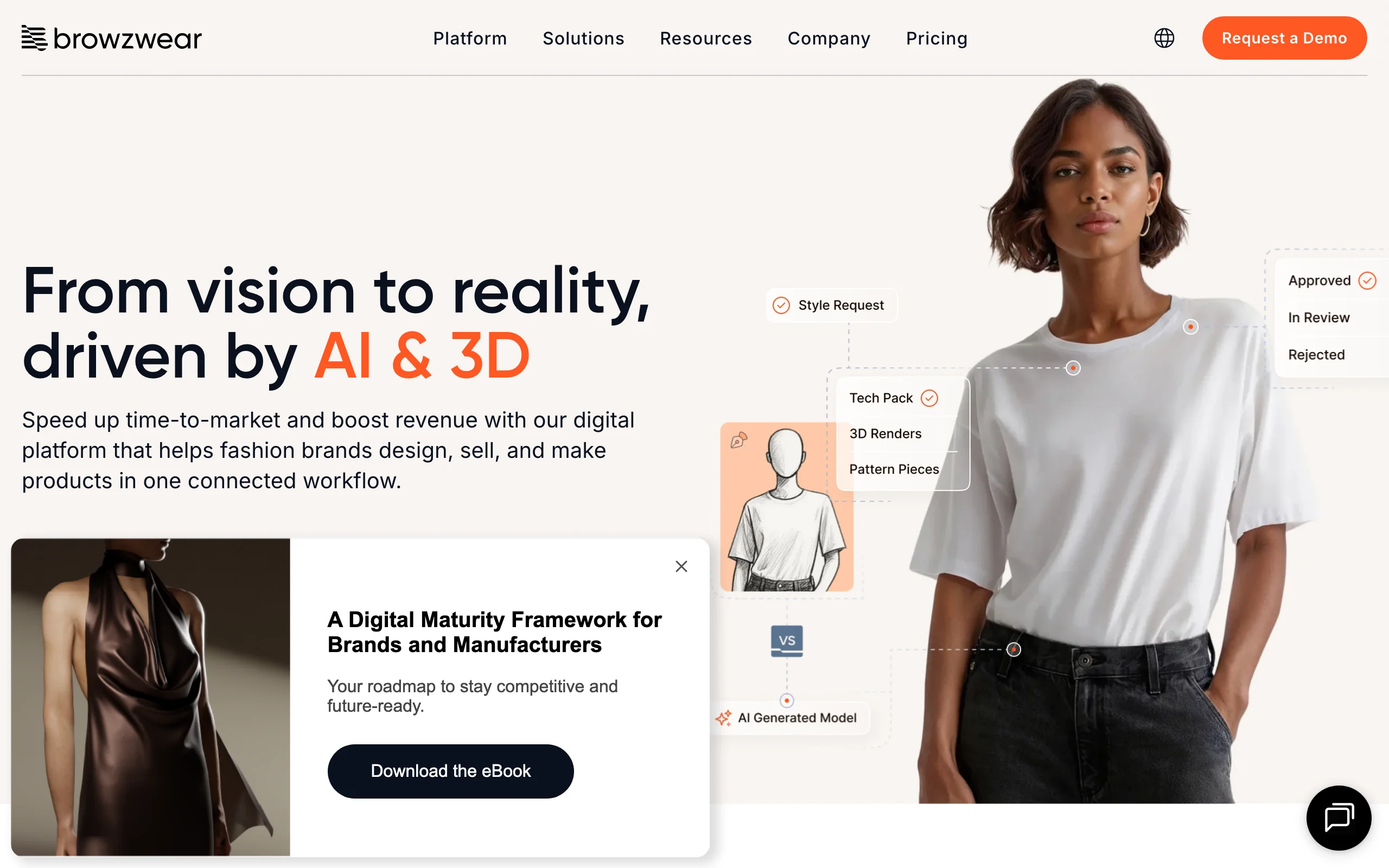
WearView vs Lalaland with Lalaland
3. Pricing model and how you get started
Lalaland has leaned toward a sales-assisted, brand-tier motion, which fits enterprise procurement but adds friction for a solo founder who wants to test an idea this afternoon. Now that the product sits inside Browzwear's enterprise suite, the AI-models offering is demo-led rather than self-serve, and pricing for it is not publicly listed, so confirm specifics directly through Browzwear.
WearView is credit-based and self-serve, starting with the Lite tier and scaling through Pro and Advanced. You buy credits, spend them across any of the tools, and add team seats as you grow. For SMBs and creators who want predictable, published pricing they can start on without a call, that transparency is a practical difference.
| Dimension | WearView | Lalaland (now via Browzwear) |
|---|---|---|
| How you start | Self-serve, credit-based | Demo-led / sales-assisted |
| Content types covered | 7 fashion tools in one | On-model imagery focus |
| Best for SKU volume | Small to large | Mid-market to enterprise catalogs |
| Reuse model identity | Consistent model across line | Diverse / custom roster focus |
What users say about WearView and Lalaland
Independent reviews are worth checking before you commit, but the public review picture here is thin and should be verified rather than taken on trust. Trustpilot is the only rating source we treat as comparable, and as of this writing neither tool has a large, stable Trustpilot sample that supports a firm star verdict. Treat any score you find for either tool as a soft signal until the review count is meaningful (roughly 10 or more reviews), and check the live Trustpilot pages for the current numbers and dates.
In community discussion and editorial roundups, Lalaland is most often praised for the realism and diversity of its AI models and for being a serious option for larger apparel catalogs; the recurring reservation is that it skews toward bigger brands, so smaller sellers can find it heavier or harder to start on than a self-serve tool. For WearView, users tend to highlight the breadth of tools in one place and fast turnaround from upload to finished image; the most common minor gripe centers on wanting larger or more flexible credit packs as usage grows. Because formal review coverage for both tools is limited, weigh hands-on testing more heavily than any single rating.
Pricing breakdown
Pricing as of June 2026. WearView figures are from WearView's plans. Lalaland's AI-models product is now part of Browzwear's enterprise suite and its pricing is not publicly listed for the AI-model offering, so those plans are quote- or demo-based rather than published. Confirm any figures directly through Browzwear.
| Tier | WearView | Lalaland (now via Browzwear) |
|---|---|---|
| Free tier / trial | No free tier (paid plans only) | Demo-led; not publicly listed |
| Entry | Lite: $29-$45/mo for 50-150 credits | Not publicly listed (AI-models product) |
| Mid | Pro: $49-$89/mo for 200-400 credits | Not publicly listed (AI-models product) |
| Top | Advanced: $99-$359/mo for 500-2,000 credits | Not publicly listed (AI-models product) |
| Enterprise | Team seats up to 15 on Advanced | Custom / quoted |
| Per-credit cost | About $0.58 down to $0.18 as packs grow | Not publicly listed |
| Annual discount | Up to $718/year on Advanced 2,000 | Not publicly listed |
A note on value: WearView's per-credit cost drops as you buy larger packs, from roughly $0.58 per credit on the smallest Lite pack down to about $0.18 on the largest Advanced pack. Because Lalaland's AI-models pricing is not publicly listed, we are not claiming WearView is cheaper outright. The clearer, verifiable difference is structure: WearView publishes self-serve credit tiers you can start on immediately, while Lalaland's AI-model offering is now a demo-led, enterprise-tier product inside Browzwear. Confirm the latest numbers directly with each provider before you decide.
When to choose WearView or Lalaland
Both tools can produce professional on-model fashion imagery. The right pick depends on how broad your content needs are and how you prefer to buy.
| Factor | Choose WearView | Choose Lalaland |
|---|---|---|
| Primary workflow | Try-on, flat-lay-to-model, video, ghost mannequin | Diverse on-model catalog imagery at scale |
| Business size | Solo sellers to agencies | Mid-market and enterprise apparel brands |
| Output priority | Many content types from one tool | A deep, ready-made diverse model roster |
| Feature breadth | Broad (7 tools in one) | Focused on on-model generation |
| Pricing fit | Self-serve published credit tiers | Brand-tier / quoted plans |
| Output type | Stills and video | On-model stills focus |
For ecommerce sellers and small brands, WearView is usually the more practical starting point: you can sign up, buy credits, and cover try-on, product-to-model, and video without a procurement process. The published pricing and small-team seats fit a boutique or Shopify or Etsy store that wants to move fast.
For large apparel brands whose single biggest need is a polished, diverse roster of AI models across a huge catalog, Lalaland's specialization and enterprise focus are real advantages worth evaluating, especially if your team already runs a sales-assisted vendor process.
For agencies and creators who juggle multiple content formats for multiple clients, WearView's breadth is the deciding factor. To see how the on-model conversion works in practice, explore product photography with AI models, then layer in virtual try-on for fit visualization on the same garments.
Key takeaways
- Pick by scope, not just price. If you need one tool for try-on, flat-lay conversion, ghost mannequin, and video, WearView's breadth wins; if you only need diverse on-model catalog imagery, Lalaland's focus is a fair match.
- Self-serve vs sales-led changes your timeline. WearView's published credit tiers let you start today; Lalaland's brand-tier motion suits enterprise procurement but adds setup time.
- Diversity library vs custom models. Lalaland leads on a ready-made diverse roster; WearView gives you a consistent AI model you create and reuse across a collection.
- Verify pricing before you commit. Lalaland's AI-models pricing is not publicly listed (it is now part of Browzwear's enterprise suite and is quote/demo-based), so confirm current plans directly through Browzwear.
- Try before you buy. Run the same garment through both tools and judge realism, turnaround, and fit against your own catalog. You can start with WearView to test the full suite.
FAQ
What's the main difference between WearView and Lalaland?
WearView is a multi-tool fashion content suite (try-on, product-to-model, model creation, ghost mannequin, and video), while Lalaland is a focused AI fashion model platform built mainly for diverse on-model catalog imagery. WearView competes on breadth; Lalaland competes on a deep, ready-made diverse model roster.
Which is better for ecommerce sellers?
For most ecommerce sellers and small brands, WearView is the more practical choice because it is self-serve, credit-based, and covers several content types from one login. Lalaland's strength is large apparel catalogs, where its diverse model library and enterprise focus pay off more than for a solo seller.
Is Lalaland cheaper than WearView?
It is hard to say definitively because Lalaland's AI-models pricing (now offered through Browzwear) is not publicly listed and is quote- or demo-based. WearView publishes self-serve credit tiers starting at $29 per month, with per-credit cost dropping as packs grow. Confirm Lalaland's current pricing directly through Browzwear before comparing.
Does Lalaland offer virtual try-on and video like WearView?
WearView includes both virtual try-on and AI fashion video as named, self-serve features. Lalaland (now in the Browzwear suite) lists virtual try-on as a use case, but it is delivered through an enterprise, demo-led product rather than a self-serve consumer feature, and AI fashion video is not listed at the time of writing. Verify directly through Browzwear if these workflows are essential to you.
Can I use both WearView and Lalaland together?
Yes. Some teams use a specialized model tool for certain catalog shots and a broader suite for everything else. If you do, WearView can handle try-on, flat-lay conversion, ghost mannequin, and video, while you use Lalaland for its diverse model roster.
What's the best Lalaland alternative for fashion brands?
WearView is a strong Lalaland alternative for brands that want more than on-model imagery, since it bundles try-on, product-to-model, ghost mannequin, and video. For a wider view of the category, see our roundup of the best AI fashion model generators.
How do WearView and Lalaland handle commercial usage rights?
WearView includes commercial usage rights on its paid plans. Lalaland (now via Browzwear) states that you keep IP and copyright ownership of your assets, but exact commercial terms for enterprise agreements are typically defined per contract, so confirm them directly. Always check the current licensing terms before publishing generated images.
WearView Team
WearView Content & Research Team
WearView Team is a group of fashion technology specialists focused on AI fashion models, virtual try-on, and AI product photography for e-commerce brands. We publish in-depth guides, case studies, and practical insights to help fashion businesses improve conversion rates and scale faster using AI.