July 1, 2026•11 min read
Producing Fashion Imagery at Scale: A 2026 Playbook
Scaling fashion imagery from dozens to thousands of SKUs breaks the traditional photoshoot model. This playbook covers the real cost curve, the human-vs-AI ownership split, and a phased path to on-brand images at volume.
Picture of Producing Fashion Imagery at Scale: A 2026 Playbook article
A brand with 500 SKUs can spend $125,000 to $250,000 a year on traditional product photography once studio time, models, stylists, shipping, and retouching are tallied up. The problem is rarely a single shoot. It is the math of doing that shoot again every season, for every colorway, across every channel that wants a different crop.
Producing fashion imagery at scale is an operations problem before it is a creative one. The brands pulling ahead in 2026 are not the ones with the best photographer. They are the ones with the best system: a standard set once, executed at volume, and AI generation slotted into the parts of the pipeline that were never creative to begin with.
This is a strategic playbook, not a tutorial. It covers where traditional shoots break under volume, the operating model that replaces them, who should own each part of the pipeline, and the phased path to migrate without betting the brand. For the hands-on standard behind a uniform catalog, see the consistent product images guide.
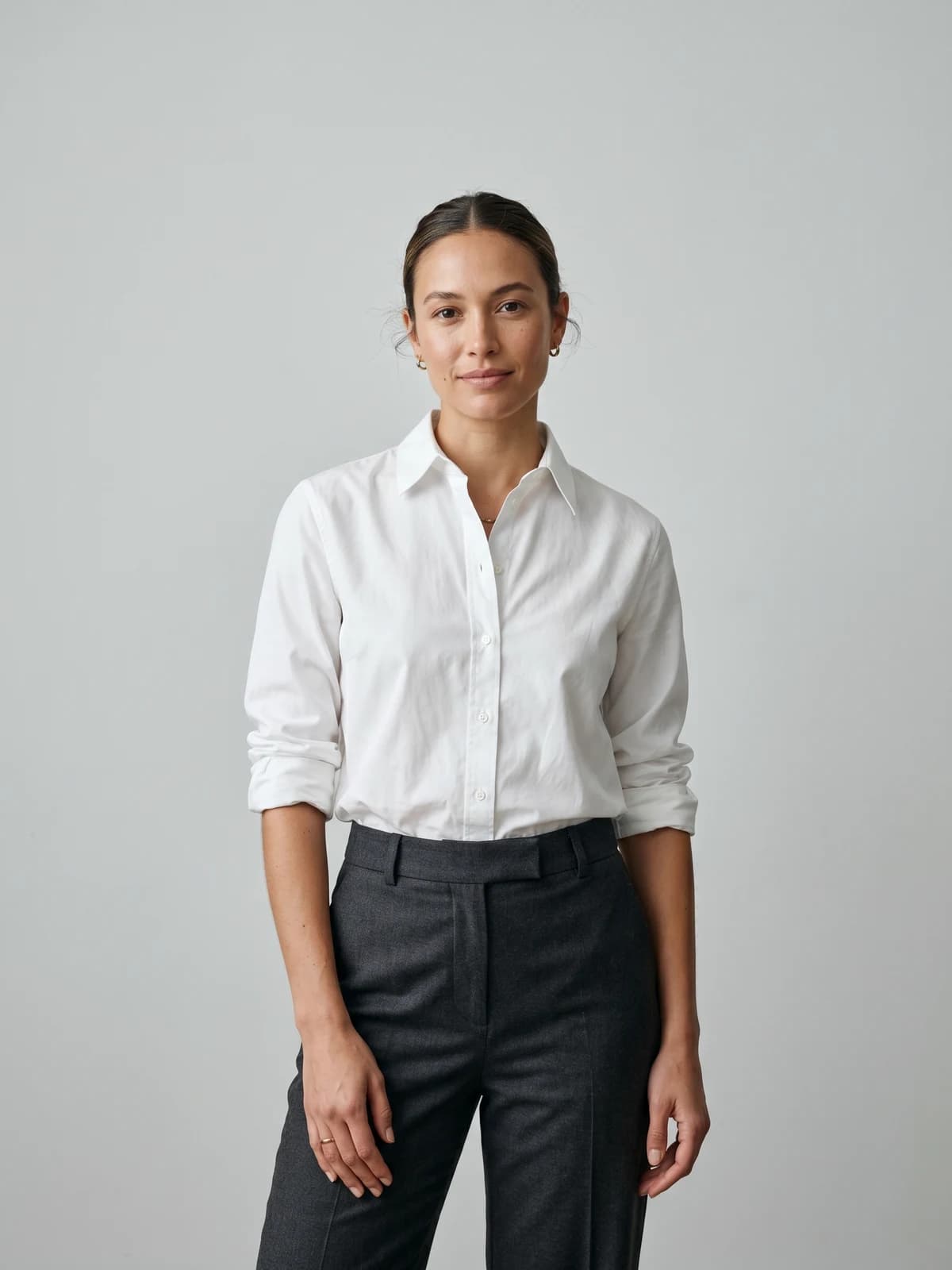
Turn flat-lays into on-model photos
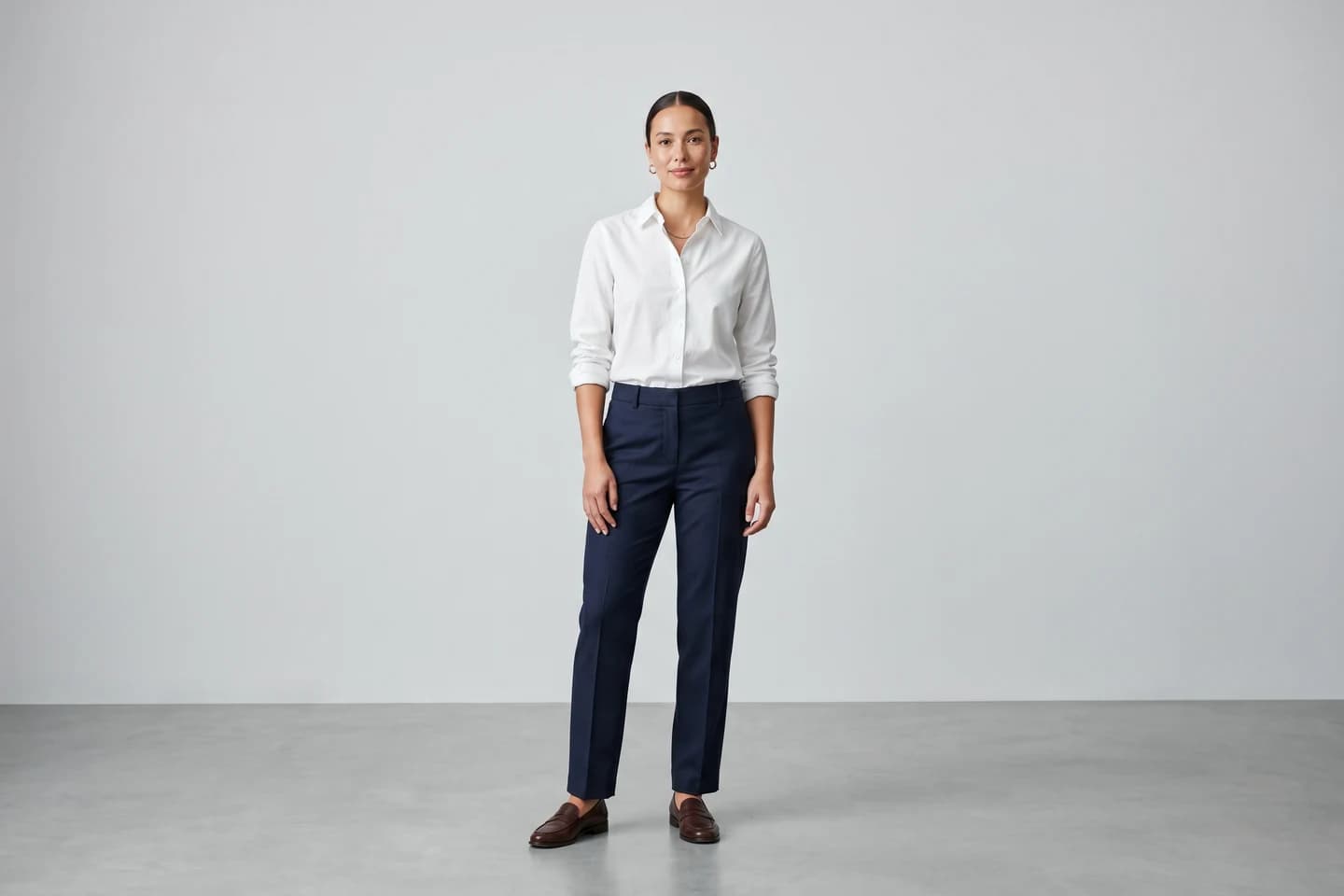
Drop in a flat-lay or product shot and get professional on-model photography ready for your store.
Why traditional shoots break at volume
A single shoot is manageable. A shoot pipeline is where most brands lose control of cost and timeline. The constraints are structural, not a matter of working harder.
Cost scales linearly, sometimes worse. Every new SKU is a new line item. Finished apparel images range widely by type, from roughly $25 to $75 for white-background listing shots up to $150 to $500 or more for styled on-model fashion frames. A single one-day fashion shoot producing around 60 images can run roughly $2,750 all in. Industry shoots routinely land at two to three times the quoted rate once retouching, studio rental, sample shipping, and small reshoots are added.
Lead time blocks launches. Traditional production typically needs two to four weeks from sample arrival to final assets. That window decides when a collection can go live, and it is the reason "drop" calendars so often slip.
Variants multiply the work. A garment in five colorways is five times the editing, even when the photography is identical, unless you recolor the garment in a photo you already shot. Add seasonal refreshes and a 50-SKU brand can need around 500 images a year.
Channels fragment the output. A product detail page wants a clean front-and-back. The homepage hero image wants a styled lifestyle frame. Instagram wants 4:5, TikTok wants 9:16, the marketplace wants a white background. One garment becomes a dozen deliverables.
The result is a pipeline where adding SKUs adds cost, time, and coordination in roughly equal measure. Scale is exactly the condition it handles worst.
The volume problem, in numbers
Before redesigning anything, it helps to see how the curve bends as a catalog grows. The table below is illustrative, using mid-range traditional figures against a generation-based workflow.
| Catalog size | Images/year (with variants) | Traditional cost/year | AI-assisted cost/year | Lead time per batch |
|---|---|---|---|---|
| 50 SKUs | ~500 | $27,000-$42,000 | Under $5,000 | Hours vs 2-4 weeks |
| 200 SKUs | ~2,000 | $15,000-$50,000+ per collection | Low thousands | Hours vs weeks |
| 500 SKUs | ~11,000 | $125,000-$250,000 | Single-digit thousands | Hours vs weeks |
The headline is the shape, not the exact dollar. Traditional cost rises with every SKU. A generation-based workflow flattens the curve because the marginal cost of one more on-model image is close to zero once the system is set up. Reported per-image costs for AI-assisted production frequently fall under a dollar, a fraction of the per-image rates a studio charges.
The operating model that scales
The brands producing thousands of images a season are not freelancing each one. They run an operating model: a small number of decisions made once, then applied across the whole catalog. The strategic shift is moving from "commission each image" to "design a system that produces images." That reframe is the entire game.
The system has three jobs, and the value of an operating model is that it assigns each job to whoever does it best:
- Set the standard once. What "on-brand" looks like (the model, the setting, the framing, the output specs) is a single seasonal decision, not a per-shoot negotiation. Define it once and every downstream image inherits it.
- Execute the standard at volume. Applying that standard to every SKU, colorway, and channel format is mechanical repetition. This is the part that used to consume studio days and now does not.
- Guard the bar. A fixed quality check at the end keeps volume from turning into clutter. The tighter the standard upstream, the faster this check runs.
The mechanics of building that standard (writing the brief, turning it into reusable templates, and running a pre-publish quality check) are their own discipline. The consistent product images guide is the hands-on standard for that work, variable by variable. This post stays one level up: who owns each job, and why the split is what makes volume affordable.
The strategic point is that consistency stops being a hope and becomes a property of the system. When the same model identity, lighting, and framing are set once and applied everywhere, a 500-SKU catalog reads as one deliberate campaign rather than forty disconnected shoots. WearView's consistent AI models exist for exactly this: lock one signature model and reuse it across the whole line. Holding that face steady output after output is its own workflow, and our walkthrough on keeping one AI model consistent across a catalog covers the saved-persona method that does it.
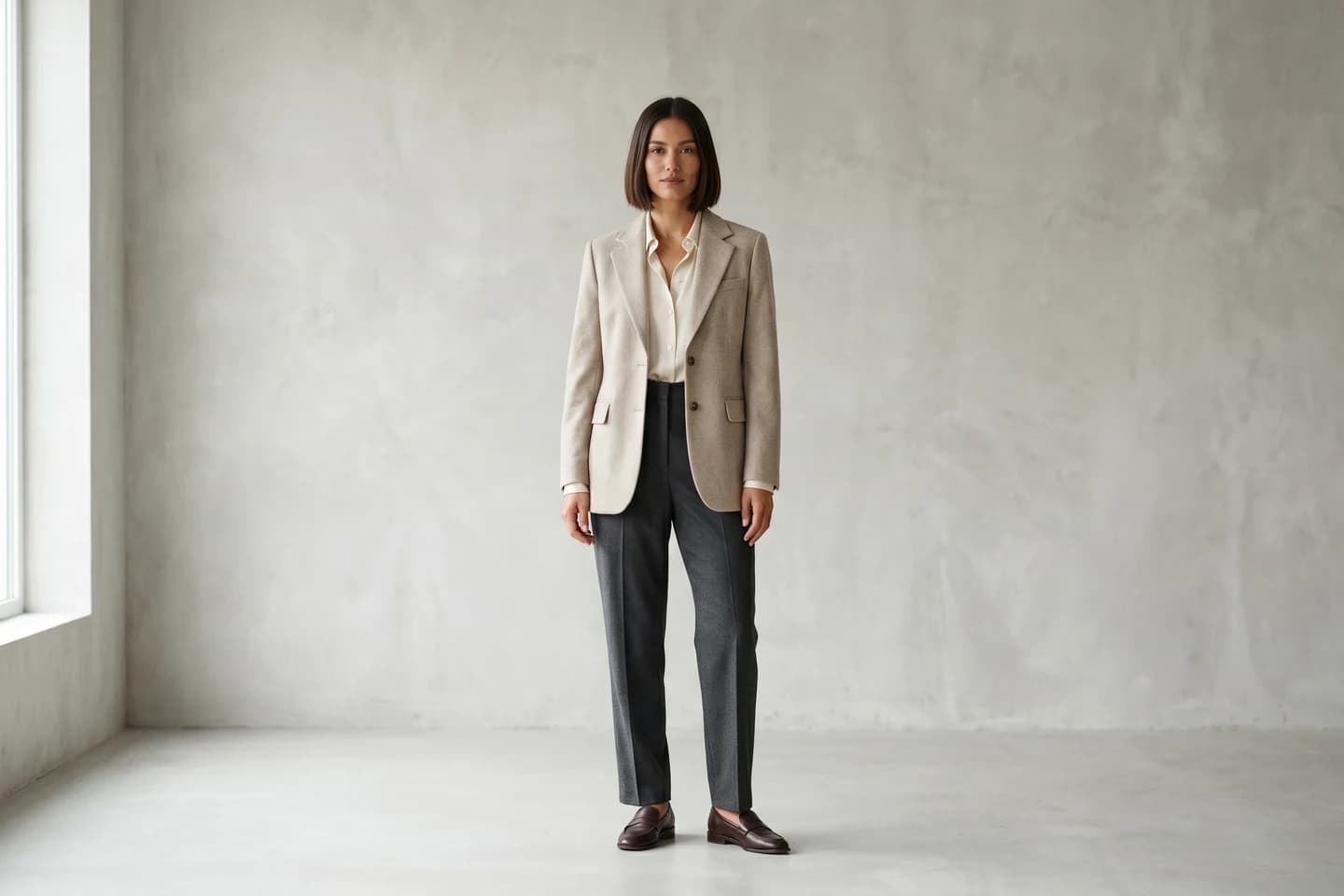
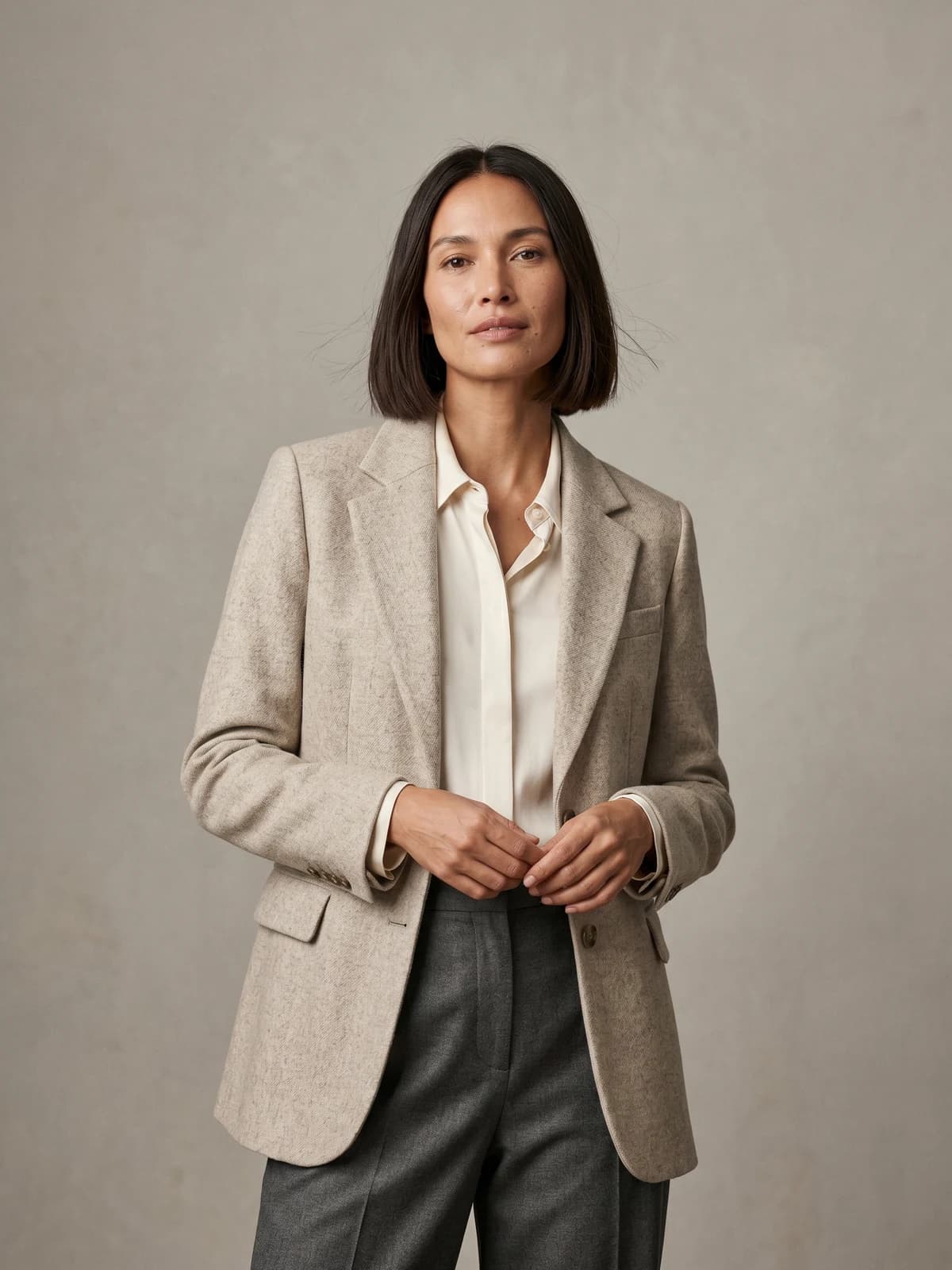
The same model across your whole catalog
Keep one signature model consistent across every product, pose, and collection.
Where AI generation fits in the pipeline
This is where the operating model touches the technology. AI does not replace the standard, it executes it. Instead of booking a studio for the repetitive middle of the pipeline, you feed a flat-lay or packshot into a generator and get a styled, on-model frame back against the standard you already set.
In practice that covers the parts of production that were never creative:
- Product-to-model: turn a flat-lay into professional on-model photography without a shoot, with prints, textures, and labels preserved
- Virtual try-on: visualize a garment on a chosen AI model without shipping a sample
- AI model creation: generate a brand-fit AI fashion model from a text prompt so casting is a one-time decision, not a per-shoot expense
- Pose and variant control: spin the same look into multiple poses, angles, and aspect ratios from one input
The strategic consequence is the calendar, not the individual image. A collection that needed a multi-week production cycle can produce a full content library in hours, which is the single biggest unlock for brands launching frequently. The marginal cost of the next image falls toward zero, so volume stops dictating the budget.
Where AI fits, and where it does not
AI is not a replacement for taste. It is a replacement for the repetitive, non-creative middle of the pipeline. Knowing the line keeps your output strong instead of generic.
| Pipeline stage | Best owner | Why |
|---|---|---|
| Creative direction, brief | Human | Brand taste and strategy are not automatable |
| Hero and campaign concepts | Human-led, AI-assisted | Big swings still want a human eye |
| On-model PDP images at volume | AI generation | Repetitive, template-driven, high-volume |
| Colorway and variant images | AI generation | Pure repetition of a fixed setup |
| Channel resizing and reframing | AI generation | Mechanical reformatting |
| Final approval and QA | Human | Judgment, not generation |
The pattern is consistent: humans set the direction and guard the bar, AI handles the volume in between. Brands that try to automate the creative direction get a flat catalog. Brands that keep shooting the repetitive middle by hand stay slow and expensive.
This is also why the virtual photoshoot model has moved from novelty to infrastructure. It is not about one impressive image. It is about producing the thousandth image as cheaply and consistently as the first.
A migration path, not a big bang
You do not need to rebuild the whole pipeline at once. The brands that succeed phase it in, proving the model on a slice before scaling it across the catalog.
A sensible sequence:
- Pick one category with high SKU count and stable styling (basics, a single product type) as the pilot
- Lock the standard for that category so the pilot has a fixed look to reproduce on every variant
- Generate the variant and colorway images with AI fashion photography, keeping hero shots traditional at first
- Compare cost, speed, and conversion against your old assets before moving on
- Expand category by category, moving more of the volume to generation as confidence grows
This protects your brand look while you learn where AI is genuinely better and where you still want a camera. It also gives finance a clean before-and-after to justify the shift.
What this means for you
- Treat imagery as an operating system, not a series of shoots. The cost of scale lives in coordination and rework, so fix the system before you fix the camera.
- Standardize before you scale. Set the look once and apply it everywhere, so one decision serves a thousand SKUs without drift.
- Move the repetitive middle to AI first. Variants, colorways, and channel resizes are pure repetition and the safest, highest-return place to automate with product to model and consistent models.
- Keep humans on direction and QA. Automate the volume, never the taste, so a bigger catalog still looks like your brand.
- Pilot, measure, then expand. Prove the cost and conversion numbers on one category before rolling the model across the whole line.
The brands that win the next few years will not be the ones that shoot the most. They will be the ones whose system turns one strong creative decision into thousands of consistent, on-brand images at a marginal cost close to zero.
Sources: Nightjar: The Real Cost of Product Photography (cost, image-count, and timeline figures), Squareshot: Product Photography Rates (per-image rates), Retail Insider: Producing Content at Scale with AI (directional industry context)
FAQ
What does producing fashion imagery at scale actually mean? It means generating the full set of product images a brand needs (every SKU, colorway, and channel format) as a repeatable system rather than a series of one-off photoshoots. At scale the challenge shifts from creative quality to cost, speed, and consistency across hundreds or thousands of items.
How much does it cost to photograph a large fashion catalog the traditional way? A brand with 500 SKUs can expect to spend roughly $125,000 to $250,000 a year on traditional photography, with effective per-image costs often two to three times the quoted rate once retouching, studio time, shipping, and reshoots are included. AI-assisted production brings the per-image cost down to a fraction of a studio rate.
Where does AI fit into a fashion imagery pipeline? AI is best at the repetitive, non-creative middle: generating on-model images at volume, producing colorway and variant shots, and reformatting for each channel. Creative direction, hero concepts, and final QA stay with humans. The goal is to automate the volume, not the taste.
Can AI keep my catalog looking consistent across thousands of products? Yes, once you set a standard for the model, lighting, and framing and apply it to every garment. Consistent model tools reuse one signature model across the whole line, so a large catalog reads as a single coordinated campaign instead of a patchwork.
How fast is AI image generation compared to a traditional shoot? Traditional production typically needs two to four weeks from sample to final assets, while a generation-based workflow can turn a flat-lay into an on-model image in seconds and produce a full collection's content library in hours. That speed is the biggest unlock for brands launching frequently.
Should I replace my entire photo pipeline at once? No. Pilot the model on one high-SKU, stable category, lock the standard for that look, generate the variant images, and compare results before expanding. Phasing it in protects your brand look and gives you clean cost and conversion data to justify scaling further.
Do I lose creative control by scaling with AI? Not if the operating model is right. You keep ownership of the standard and the final quality bar, which is where brand taste actually lives. AI handles execution at volume within the rules you set, the same way a studio team would.
WearView Team
WearView Content & Research Team
WearView Team is a group of fashion technology specialists focused on AI fashion models, virtual try-on, and AI product photography for e-commerce brands. We publish in-depth guides, case studies, and practical insights to help fashion businesses improve conversion rates and scale faster using AI.