July 9, 2026•16 min read
Ghost Mannequin Photography Alternatives: Cheaper Options That Work
Ghost mannequin shoots and editing services can get pricey. Here are five cheaper alternatives compared on cost, effort, and turnaround, plus a clear guide to when each one actually works for your catalog.
Picture of Ghost Mannequin Photography Alternatives: Cheaper Options That Work article
You already know what the invisible-mannequin look does for a product page. The garment holds its shape, the neckline and inner label show, and the background stays clean. What stings is the price of getting there: a shoot with a mannequin, lighting, and a photographer, then editing on top. If that math has you searching for a cheaper ghost mannequin photography alternative, you have more options than most comparison posts admit.
Most articles pit flat lay against the invisible-mannequin effect and stop. That skips three methods that might fit your catalog better: hanger shots, real models, and AI on-model photos. This guide weighs all five on cost, effort, and turnaround, shows which one suits your budget and category, and says plainly when the classic ghost mannequin is still worth keeping. No single tool pitch, just an honest way to pick a technique.
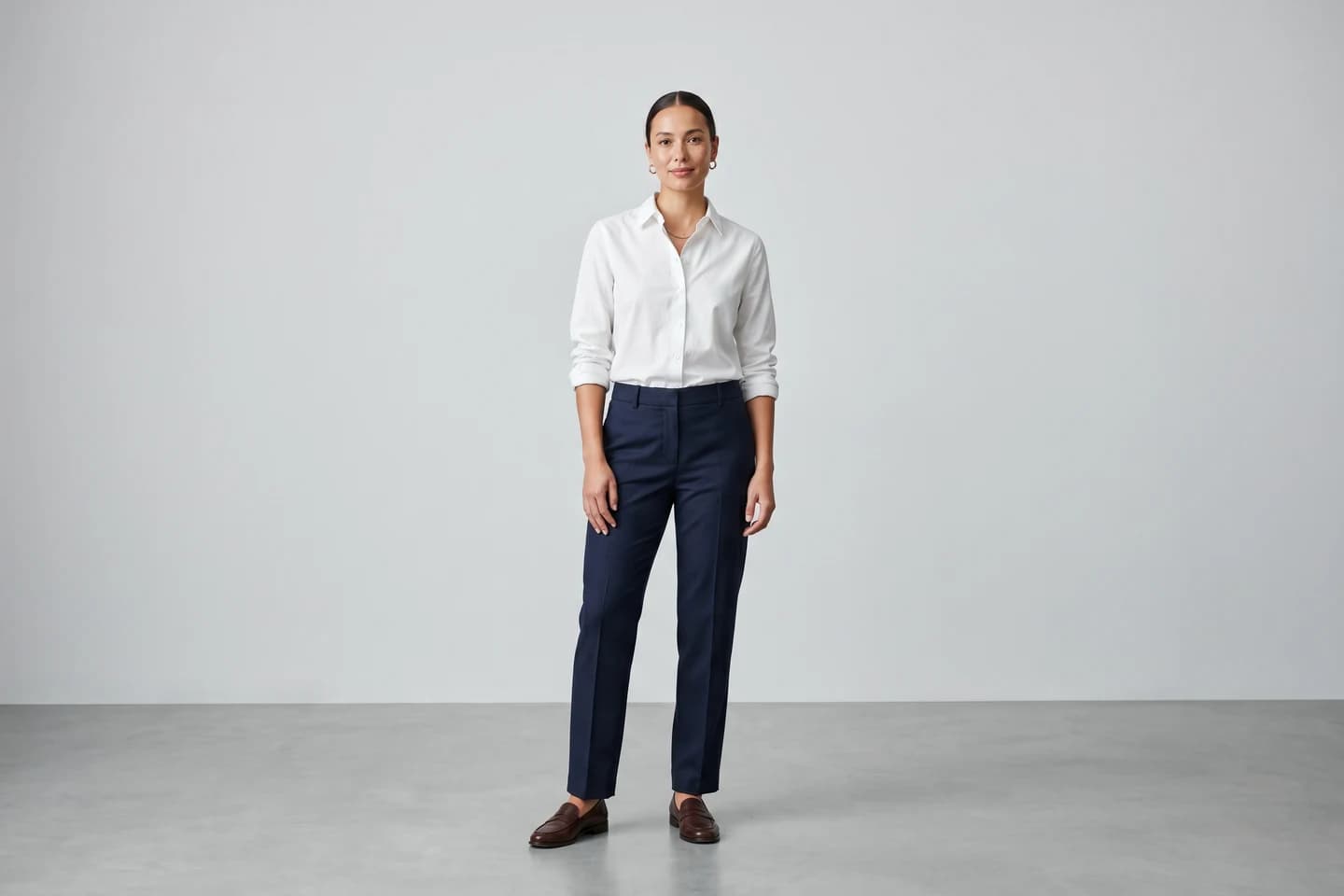
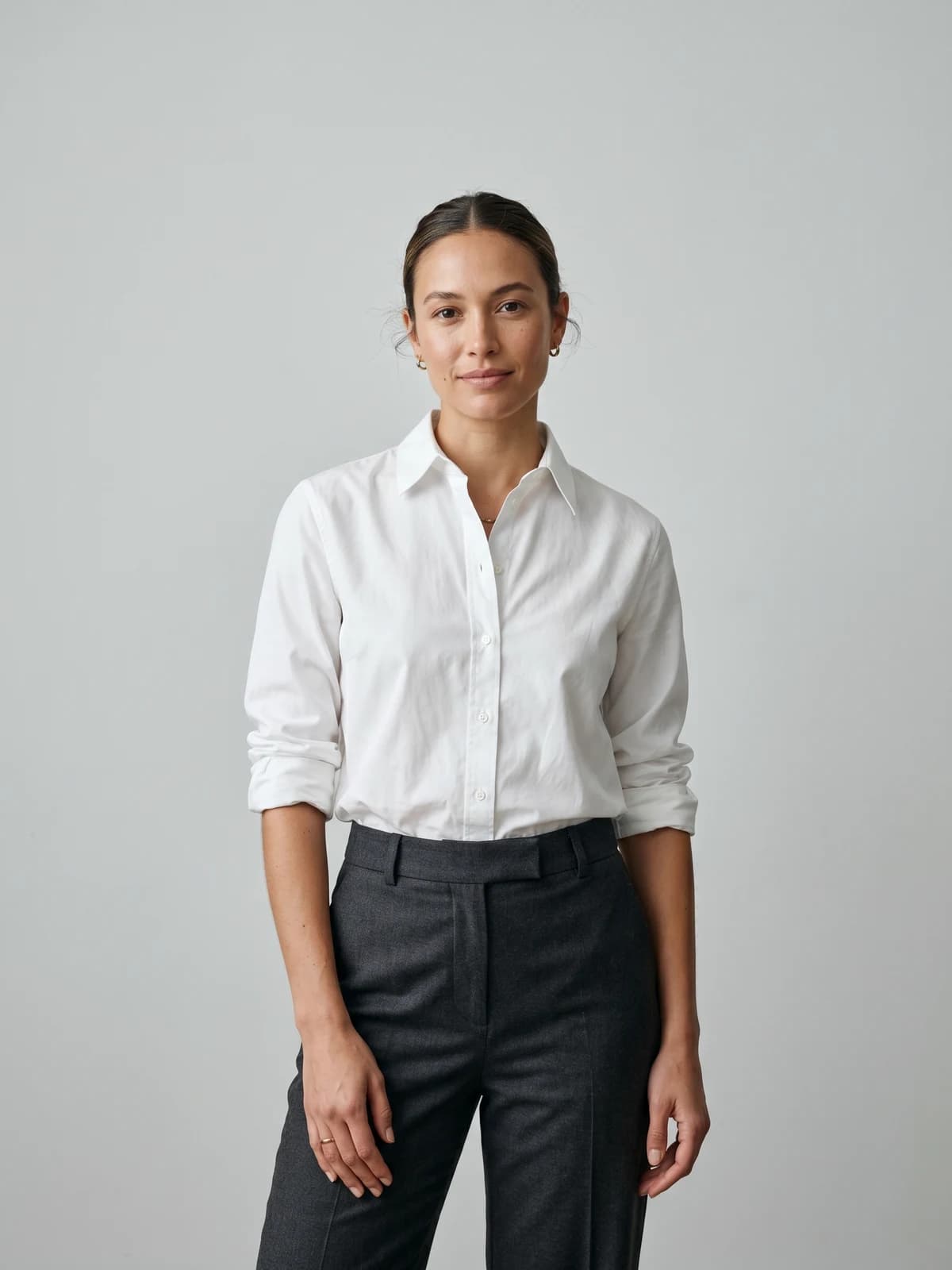
Turn flat-lays into on-model photos
Drop in a flat-lay or product shot and get professional on-model photography ready for your store.
Why sellers are looking for a ghost mannequin photography alternative
The invisible-mannequin effect is popular for a reason. It shows garment shape without a model, keeps a consistent look across a catalog, and passes the pure-white background rules on Amazon and similar marketplaces. The friction is the workflow behind it.
A full shoot means buying or renting mannequins in the right sizes, setting up lights, shooting the outer and inner layers separately, then paying an editor to stitch them into one clean image. Even if you skip the studio and only outsource the editing, you are still shooting clean source photos first.
Here is the cost reality on the editing side alone. Professional ghost mannequin editing starts around 89 cents per image, according to Path Edits. Some high-volume services advertise rates as low as $0.39 per image, per Clipping Path Source. And a broader survey from FixAnyPhoto puts typical editing between $0.49 and $1.75 per image, with a fair market price closer to $1.50 to $3 once garment complexity and turnaround are factored in.
Those are the edit fees, not the shoot. Add mannequins, studio time, and a photographer and the real per-image cost climbs fast. That gap is why sellers go looking for something cheaper.
There is also a limit worth naming: a ghost mannequin shows shape, but it does not show fit on a body. For apparel, that matters. D2C apparel brands see average return rates around 26%, and some report 33% or higher, based on data compiled by Cahoot. Fit and sizing problems drive up to 70% of those returns, the single biggest cause in the category. Returns overall are roughly a $218 billion problem, according to Radial. So the best alternative saves money and helps a shopper judge how the piece actually wears.
Ghost mannequin photography alternatives at a glance: cost and effort compared
Before the deep dives, here is the whole field on one screen. Figures are rough per-image ballparks for a small seller, meant for comparison rather than exact quotes.
| Method | Typical cost per image | Effort to produce | Turnaround | Shows fit on a body? |
|---|---|---|---|---|
| Flat lay | Under $1 (DIY) to a few dollars | Low, one phone and daylight | Same day | No |
| Hanger / rack shot | Near zero DIY | Very low, hang and shoot | Same day | No |
| Ghost mannequin | Shoot plus $0.39 to $3 editing | Medium to high | 1 to 3 days | No |
| Real model shoot | $20 to $100-plus | High, casting and logistics | 1 to 3 weeks | Yes |
| 3D render | High setup, low per-image after | High upfront, low ongoing | Weeks to build, then fast | Yes (on a digital body) |
| AI on-model | Cents per image on a paid plan | Low, upload and generate | Seconds to minutes | Yes |
Two patterns jump out. The cheapest methods to shoot (flat lay and hanger) show the least about fit. The methods that show fit best (real models, 3D, AI on-model) either cost the most or need the most setup, with AI on-model as the outlier that keeps cost and effort low. The sections below explain the trade-offs so you can match a method to your situation.
Flat lay photography: cheapest to shoot, weakest on fit
Flat lay is the garment laid on a flat surface and shot straight down. It is the cheapest way to get a clean product image because the whole setup is a table, daylight or one softbox, and a phone.
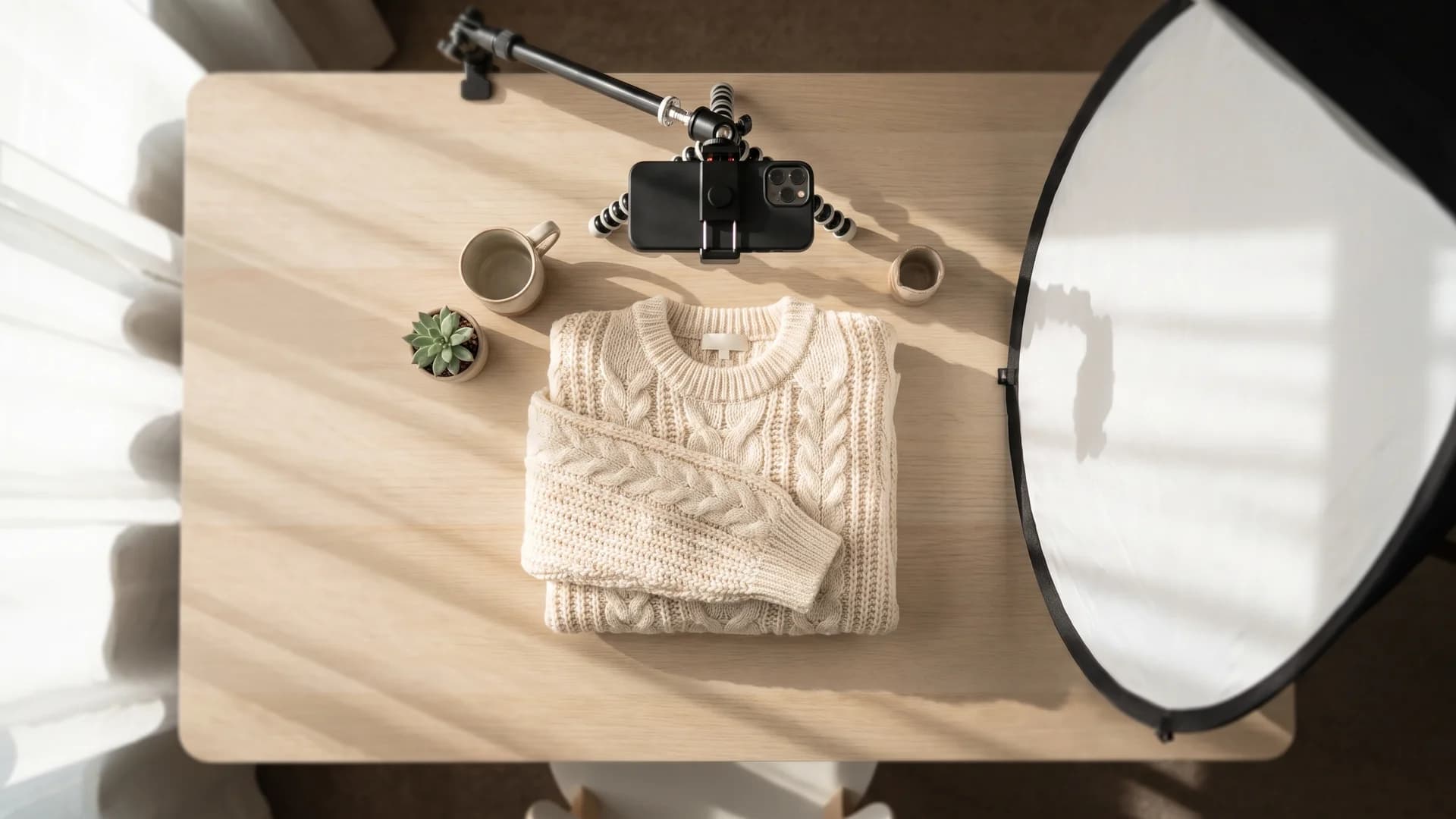
Flat lay photography setup as a ghost mannequin alternative, a folded sweater shot overhead with a phone
Where it wins
- Lowest barrier of any method, no mannequin or model needed
- Fast to produce a whole batch in an afternoon
- Great for showing print, pattern, texture, and trims up close
- Fits accessories, folded knitwear, and styled flat-lay grids well
Where it falls short
- Shows almost nothing about how the piece hangs on a body
- A flat garment reads as shapeless, so structured pieces like blazers look worse than they are
- Weaker at building the desire that on-body imagery creates
Flat lay and the ghost mannequin often get framed as rivals, but they answer different questions. Flat lay answers what does this fabric look like. Ghost mannequin answers what shape does it hold. If your catalog is soft, simple pieces where texture sells (tees, scarves, basics), flat lay alone can carry a listing. For anything structured, treat it as a support shot rather than the hero.
Hanger and rack shots: fastest to produce, riskiest for conversions
Hanger shots are exactly what they sound like: the garment on a hanger against a plain wall or backdrop. Rack shots line several pieces up on a clothing rail. This is the fastest method here because there is no styling and no post-production if you shoot clean.
Where it wins
- Near-zero cost and near-zero effort
- Very fast for large, changing inventory
- Common and accepted on resale platforms like Poshmark and Depop
- Shows the true garment with no model to distract
Where it falls short
- The hanger and shoulder pucker make even good pieces look cheap
- No sense of drape below the shoulders
- Lowest-trust look of any method here, which can dent conversion
Hanger photos are a practical floor, not a ceiling. They work when speed and volume beat polish, a vintage seller listing dozens of one-off pieces, for example. Just know that a wire hanger poking through the neckline is the opposite of the clean shape the ghost mannequin is prized for. If your margins depend on looking premium, this is the riskiest swap.
Real model photography: premium look at a premium price
A live model on set gives you the most persuasive image: real fit, movement, and styling context a mannequin cannot match. It is also the most expensive and slowest option on this list.
Costs stack up quickly. You are paying a model, often a photographer, plus studio time, a stylist, hair and makeup, and usage rights. Per usable image, small brands commonly land somewhere from $20 to over $100 once everything is counted, and the calendar cost is a week to three weeks from booking to delivered files. We break the full budget down in our post on the real cost of fashion photoshoots.
Where it wins
- Shows genuine fit and drape on a human body
- Best for building brand story and aspirational feel
- Strongest support against fit-related returns when styled honestly
Where it falls short
- Highest cost per image by a wide margin
- Slowest turnaround, hard to reshoot a single SKU
- Logistics heavy: casting, scheduling, releases, reshoots
Real models make sense for hero shots, campaign imagery, and pieces where fit is the whole selling point. Using them for every SKU in a large catalog is where the budget breaks. Many brands reserve the live shoot for a handful of flagship products and cover the long tail with a cheaper method.
3D renders and digital samples: scalable but setup-heavy
3D renders build the garment as a digital asset, drape it on a virtual body, and output images from any angle. Once the model exists, extra shots are nearly free, which is why fast-moving and enterprise brands invest here.
Where it wins
- Reuse one asset for stills, spins, 360 views, and colorways
- Change fabric or color without reshooting
- Show fit on a digital body, closer to on-model than flat lay
Where it falls short
- Heavy upfront work: you need accurate patterns, fabric data, and 3D skill or software
- Photoreal quality takes talent and time to get right
- Overkill for a small seller with a simple catalog
The catch is the setup. Building believable 3D apparel means real garment data and software know-how, which is a project, not an afternoon. If you already work in 3D or plan to, renders scale beautifully. If you are a solo Shopify or Etsy seller, the ramp is steep for what you get back.
AI on-model photos: ghost mannequin quality without a mannequin or shoot
AI on-model generation takes a flat-lay or packshot and places the garment on a realistic AI model. You get the clean, consistent product look of a ghost mannequin plus something the mannequin never gives you: the piece shown on a body, with real drape and fit context. No mannequin to buy, no set to light, no editor to brief.
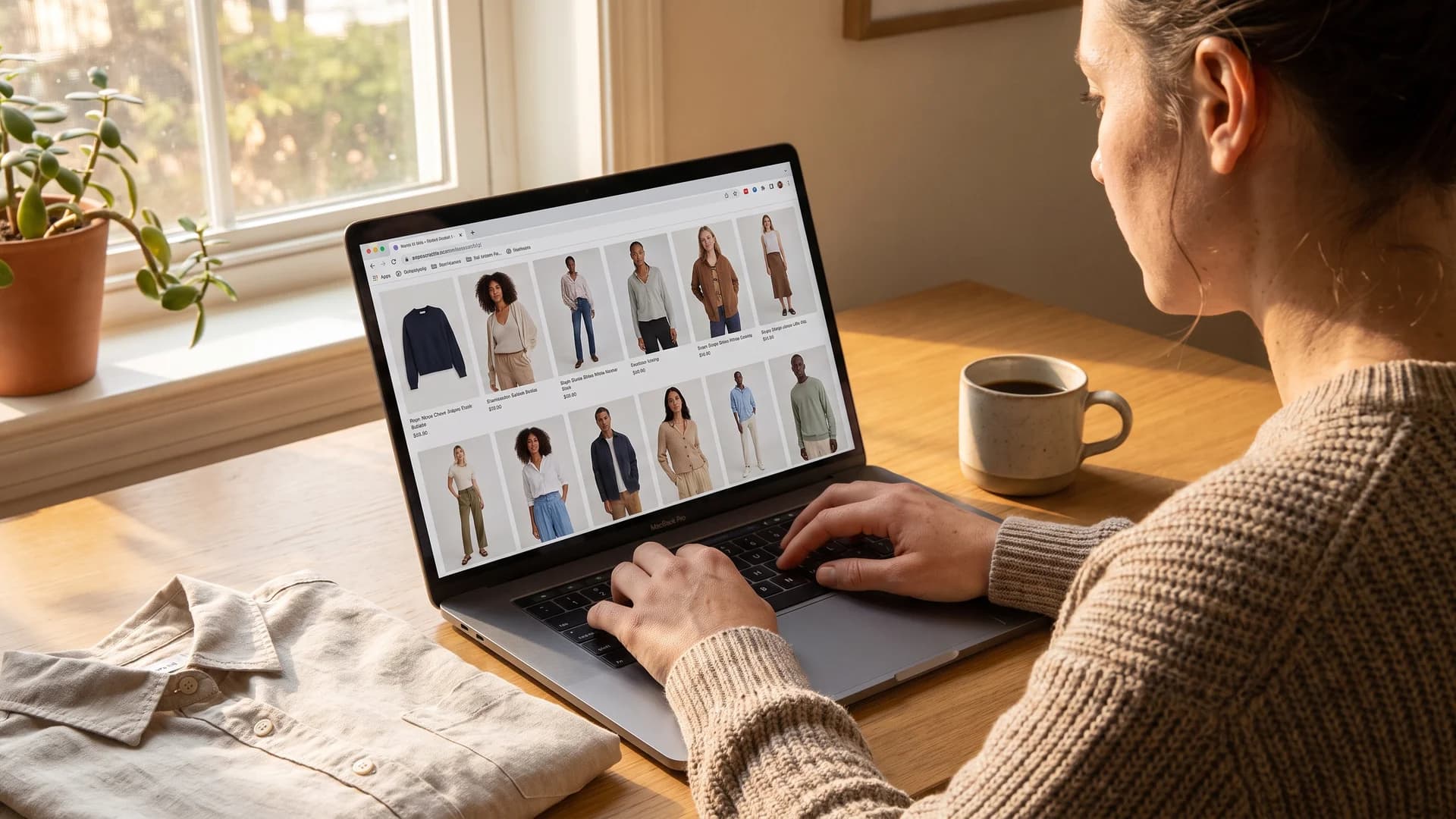
Seller reviewing an AI on-model ecommerce catalog, a cheaper ghost mannequin photography alternative, on a laptop
The workflow is short. Upload the garment image, pick a model and pose, and generate. With WearView, product to model turns a flat product photo into on-model photography in under 15 seconds, and you can keep consistent AI models across an entire catalog so every listing looks like it came from the same shoot. If you would rather preview a garment on different bodies first, virtual try-on covers that too.
Where it wins
- Cents per image once you are on a plan, far below a live shoot
- Seconds of turnaround, easy to reshoot or restyle a single SKU
- Shows fit on a body, which flat lay and hanger shots cannot
- Consistent models and backgrounds across the whole catalog
Where it falls short
- Very complex garments or fine trims may need a retouch pass
- You are choosing a look rather than photographing your exact sample
- Pure-white marketplace shots may still want a plain packshot alongside
On price, WearView plans start at $29 a month for the Lite plan (50 credits), with Pro at $49 (200 credits) and Advanced at $99 (500 credits). Divide that across the images a plan produces and the per-image cost sits in cents, not dollars, which is what makes it a realistic AI ghost mannequin alternative rather than a novelty. You can compare the wider category in our roundup of the best AI ghost mannequin tools.
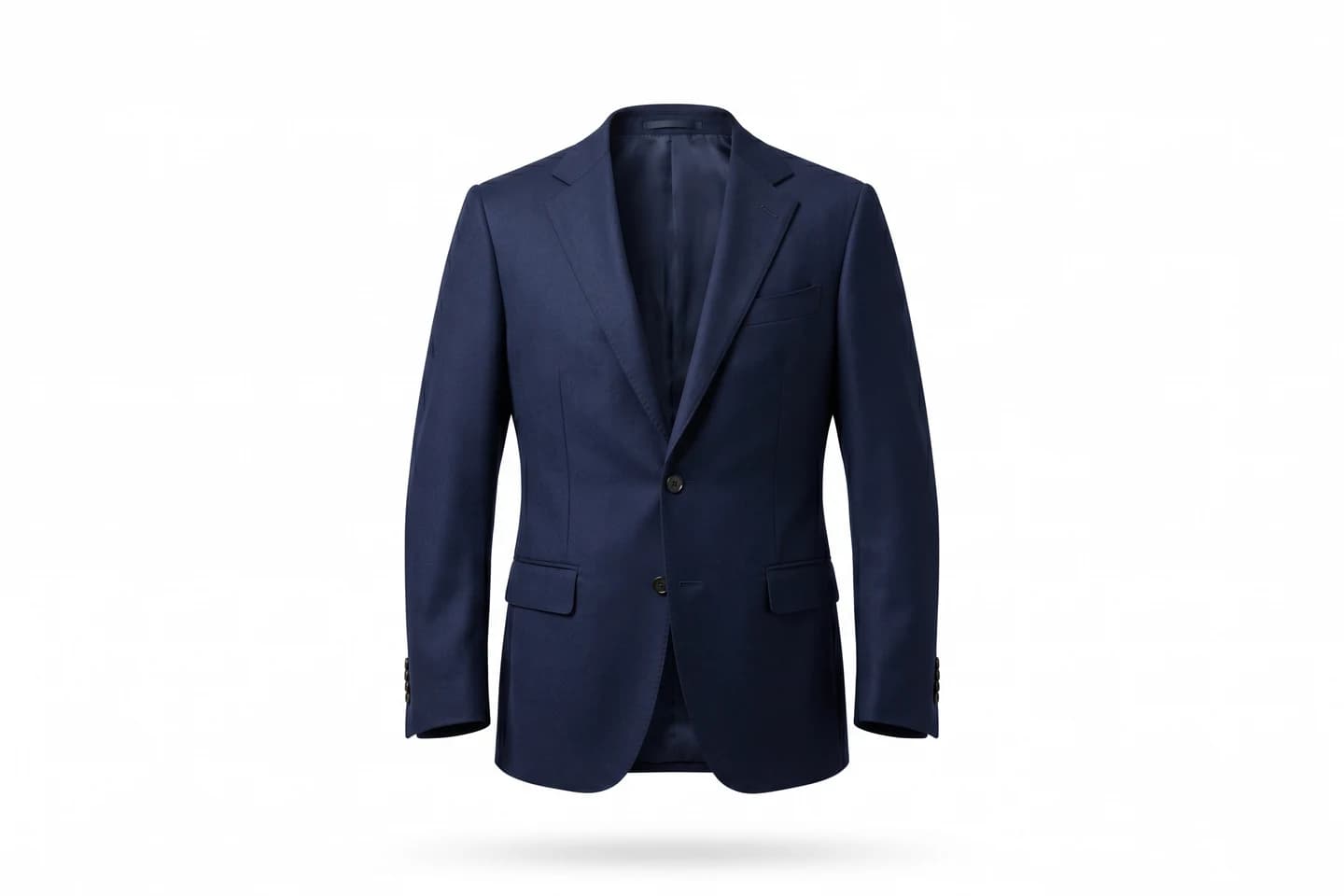
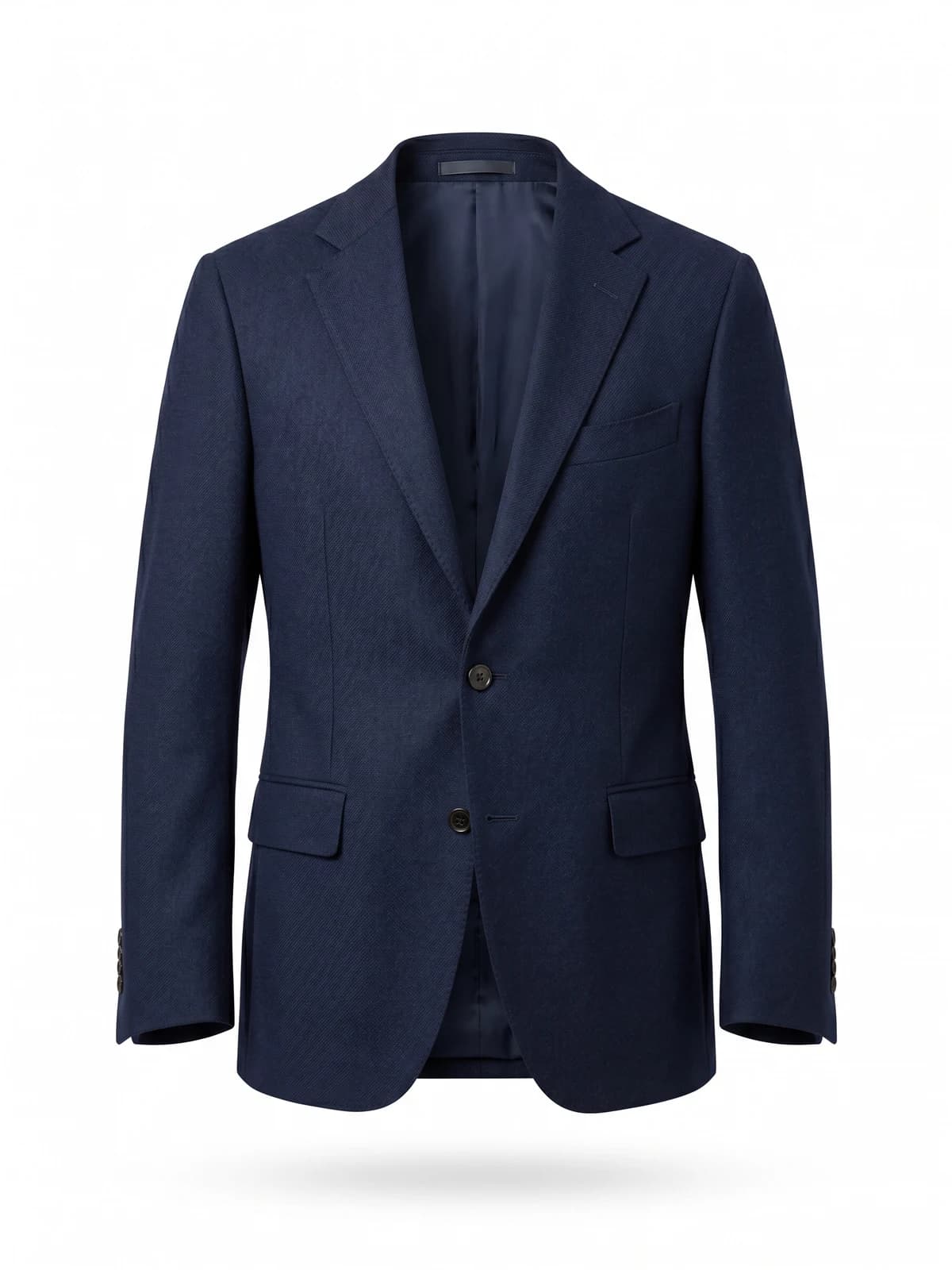
Clean ghost-mannequin shots, instantly
Remove the mannequin and get crisp invisible-model product images that look studio-shot.
How to choose: matching the alternative to your budget, catalog size, and category
There is no single winner. The right method depends on how much you can spend, how many SKUs you carry, and what you sell. This table maps common situations to a sensible starting point.
| Your situation | Best-fit method | Why |
|---|---|---|
| Tiny budget, few products | Flat lay | Cheapest, good enough for simple pieces |
| High volume, fast turnover, resale | Hanger / rack | Near-zero cost and time per listing |
| Structure and fit are the selling point | Real model or AI on-model | Both show how the piece wears |
| Large catalog, need consistency and speed | AI on-model | Cents per image, seconds each, one look across SKUs |
| Enterprise with 3D pipeline and dev time | 3D render | Scales once the asset is built |
| Strict pure-white marketplace hero shot | Ghost mannequin or clean packshot | Meets background rules, shows shape |
A few rules of thumb on top of the table:
- Match the method to the garment. Soft basics survive flat lay. Structured or fitted pieces need a body, real or AI.
- Split your catalog. Use a premium method for hero SKUs and a cheap, fast one for the long tail. Nothing says every product needs the same treatment.
- Weigh returns, not just shoot cost. For apparel, imagery that shows fit can lower fit-driven returns, and those returns are the biggest cost in the category.
For keeping every listing looking like one coherent set no matter which mix you land on, see our guide to consistent product images across your catalog.
When ghost mannequin is still the right choice (and the cheaper AI way to get it)
None of this means the invisible-mannequin effect is obsolete. It is still the right call in a few clear cases:
- You sell on a marketplace that demands a pure-white background hero image and rewards the clean, floating-garment look
- Your buyers care most about exact garment shape, neckline, and inner detail rather than how it looks on a person
- You already have a working shoot-and-edit pipeline that is cheap enough at your volume
When the classic look is genuinely what you need, you do not have to run the full mannequin shoot to get it. AI can produce the same invisible-model result from a photo of the garment, which usually lands cheaper and faster than shooting on a mannequin and paying for editing. If you want to keep hiring that out instead, our roundup of the best ghost mannequin service picks the top editing providers.
The honest summary: keep the ghost mannequin where marketplace rules or shape-first buyers demand it, and get there the cheapest way that clears your quality bar. For everything else, a fit-showing alternative usually earns its place. You can explore the full stack of AI models for fashion if the on-model route fits your catalog.
Key takeaways
- The ghost mannequin shows shape, not fit. Editing alone runs $0.39 to $3 per image, and that is before the shoot, so cheaper fit-showing methods are worth a look.
- Flat lay and hanger shots are the cheapest to produce but show the least about how a garment wears, which limits them to simple pieces or high-volume resale.
- Real models give the most persuasive image at the highest cost, best reserved for hero SKUs rather than a whole catalog.
- 3D renders scale once built but demand real setup, so they fit brands with a pipeline, not solo sellers.
- AI on-model photos hit the sweet spot for most sellers: cents per image, seconds of turnaround, and fit shown on a body, with consistency across every listing.
- Split your catalog by garment and margin instead of forcing one method on everything, and factor fit-driven returns into the decision, not just shoot cost.
FAQ
What is the cheapest alternative to ghost mannequin photography? Hanger and flat lay shots are the cheapest to produce, since both need only a phone, daylight, and a plain background with no mannequin or editing. The trade-off is that neither shows how a garment fits a body. For a cheap method that still shows fit, AI on-model generation costs cents per image on a paid plan.
Is flat lay or ghost mannequin better for ecommerce? They answer different questions. Flat lay is cheaper and better for showing fabric, print, and texture up close. Ghost mannequin shows the garment's three-dimensional shape and suits structured pieces and pure-white marketplace listings. Many stores use flat lay for detail shots and a fit-showing method for the hero image.
Can I use AI instead of ghost mannequin photography? Yes. AI on-model tools take a flat-lay or packshot and place the garment on a realistic model, giving you the clean, consistent product look plus fit on a body. It typically costs less and turns around faster than shooting on a mannequin and paying for editing. Very detailed garments may still need a light retouch.
How much does ghost mannequin photography cost per image? The editing step alone runs roughly $0.39 to $3 per image depending on garment complexity, volume, and turnaround. That figure excludes the shoot itself, so once you add mannequins, studio time, and a photographer the real per-image cost is higher. Editing-only routes are cheapest when you shoot clean source photos yourself.
What can I use instead of a ghost mannequin? The five practical options are flat lay, hanger or rack shots, real model photography, 3D renders, and AI on-model generation. Flat lay and hanger shots are cheapest, real models are most persuasive but priciest, 3D scales for enterprise pipelines, and AI on-model balances low cost with fit-showing results.
Do Amazon and eBay allow flat lay or hanger photos instead of ghost mannequin? Both allow flat lay and hanger images in most apparel categories, and eBay is fairly flexible on backgrounds. Amazon requires the main image to be on a pure-white background, which flat lay and clean hanger or ghost mannequin shots can meet. Check the current category rules before you commit, since requirements change.
Is AI on-model photography good enough to replace ghost mannequin shots? For most catalog and listing images, yes, and it adds fit context the ghost mannequin cannot show. Modern tools produce clean, consistent, realistic results in seconds. Where a marketplace demands a pure-white floating-garment hero, you may still want a plain packshot or an AI-generated invisible-model shot alongside the on-model images.
When is traditional ghost mannequin photography still worth it? It is worth keeping when a marketplace requires the pure-white, floating-garment hero image, when buyers care most about exact garment shape and inner detail, or when you already run a cheap, efficient shoot-and-edit pipeline at your volume. Even then, AI can often produce the same invisible-model look for less.
Sources: Cahoot, Path Edits, Clipping Path Source, FixAnyPhoto, Radial, ecommerce returns and ghost mannequin pricing data (2026)
WearView Team
WearView Content & Research Team
WearView Team is a group of fashion technology specialists focused on AI fashion models, virtual try-on, and AI product photography for e-commerce brands. We publish in-depth guides, case studies, and practical insights to help fashion businesses improve conversion rates and scale faster using AI.